It’s an odd thing, the concept of eras.
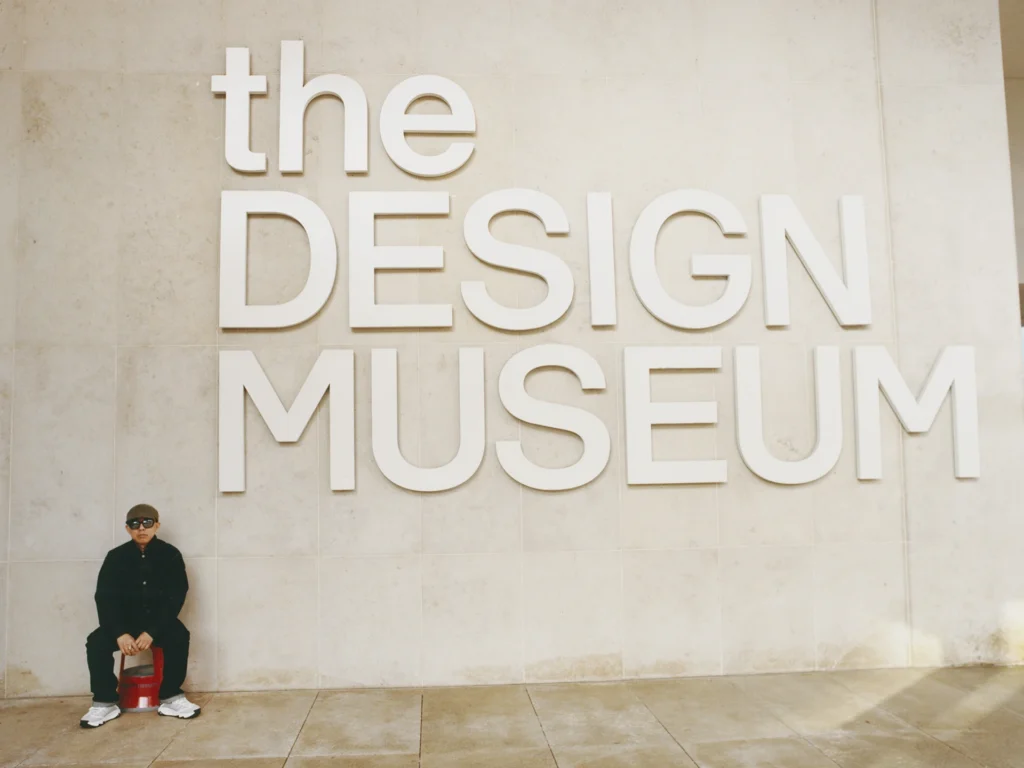
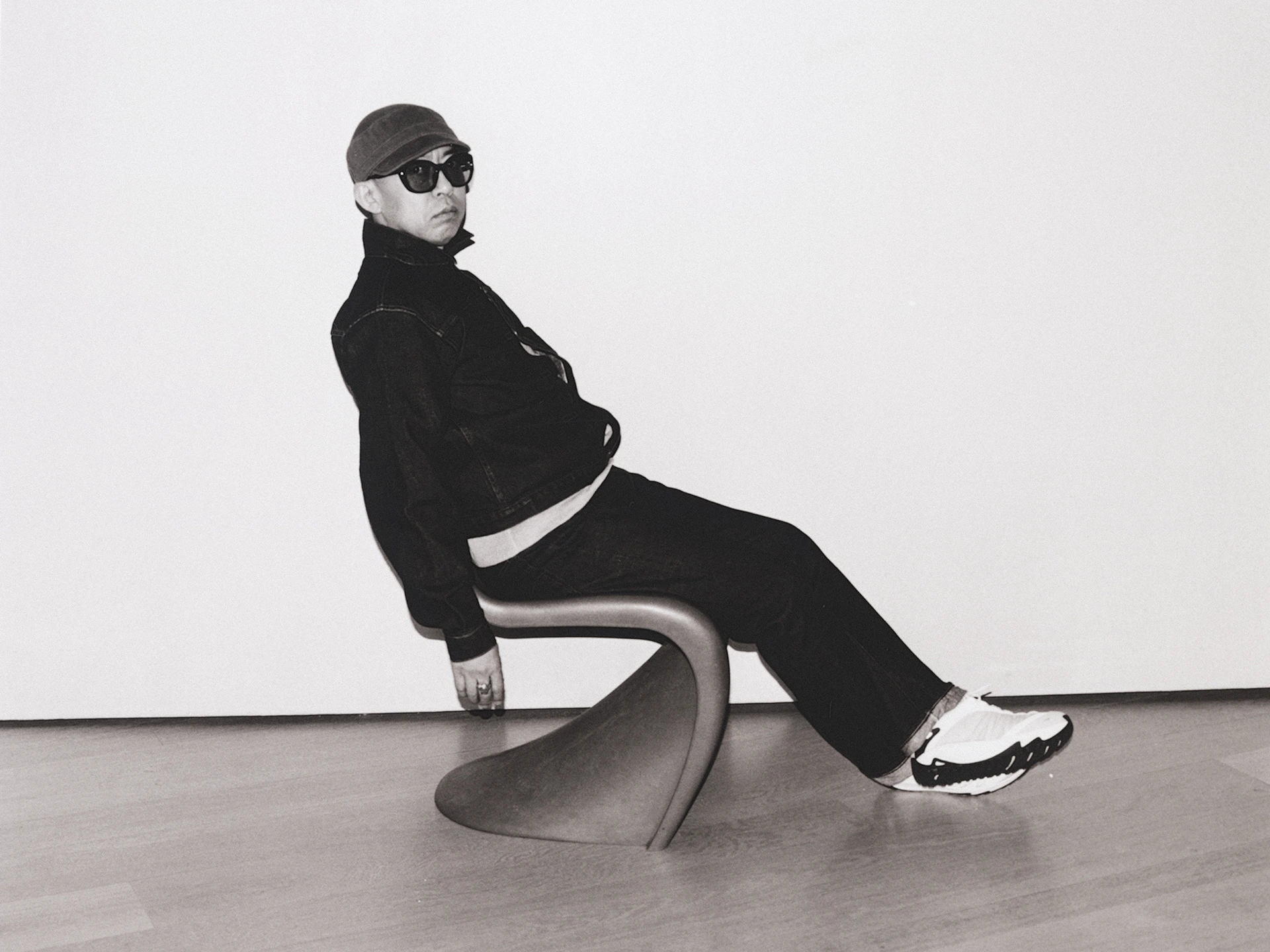
You never feel like within one until it’s over. Its parameters and iconography are defined by our creatives. Music, fashion and art all provide the nostalgic pangs that cordon off one era before the next. The 2000s is the most recent timeframe to be era-fied. That chromatic cartoony bubble between the cultural zenith of the 90s and the internet-driven homogenisation of the 2010s. It’s hard to think of someone more emblematic of the 2000s than NIGO. His collaboration with fellow noughties icon Pharrell Williams and founding of A Bathing Ape provided a backdrop for the tail-end of the pre-internet age. NIGO: From Japan with Love at the Design Museum is his first museum retrospective outside of Japan.
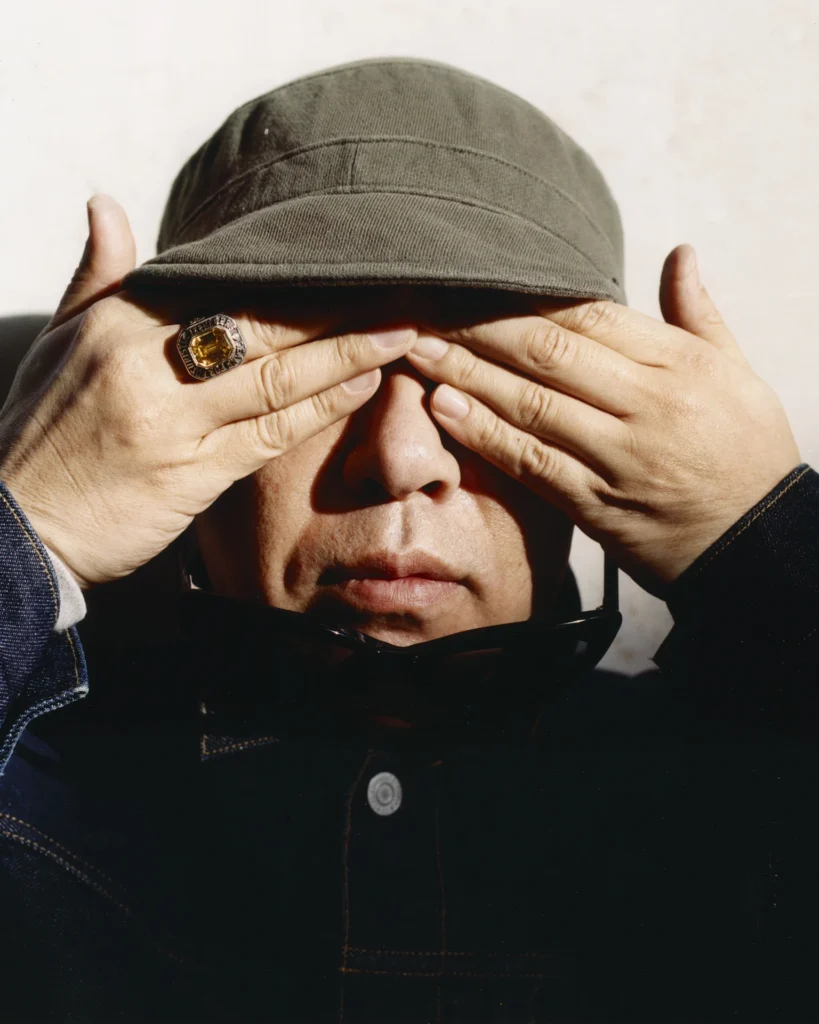
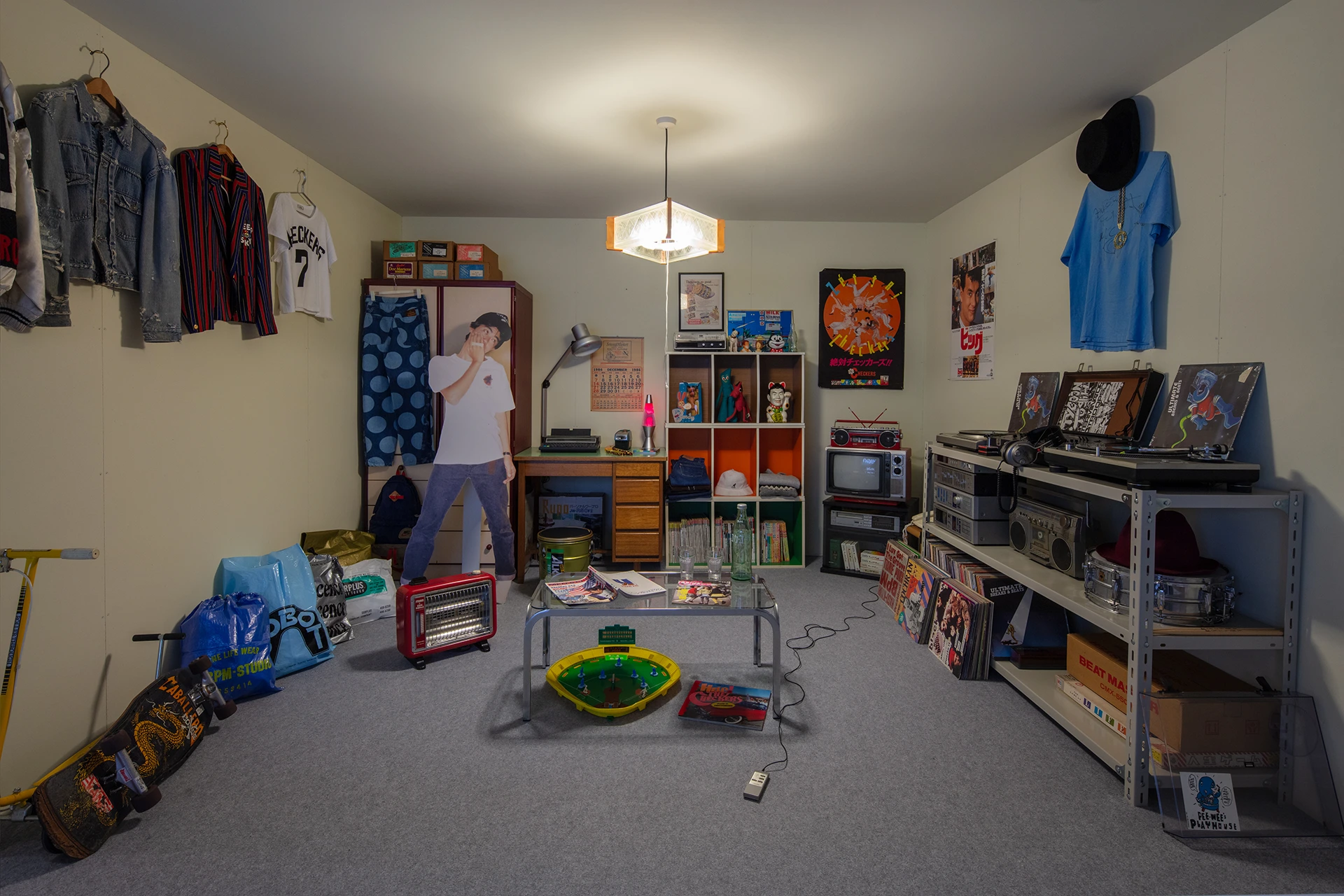
The first part of the exhibition is a reconstruction of NIGO’s teenage bedroom. It’s densely packed with baseball caps, plastic figurines, records and scraps of Americana. The Beatles’ Nowhere Man plays out as you soak it all in and you get the sense of being inside a living mood board. I suppose the difference between an obsessive hoarder and a culture defining archivist is the end goal of all the accumulation. Whether NIGO was gathering these artefacts to anxiously hold onto the past, or prepping for the propagation of a retrofuture becomes obvious over the course of the exhibit.
Denim jackets, varsity pieces, old Levi’s, Donald Duck sat amongst Japanese superheroes – it all oozes with chromatic nostalgia. You can see kernels of inspiration that would go on to inform NIGO’s practice decades later: Postwar Americana filtering into 80s Tokyo, then refracted again through a young NIGO who understood that culture could be chopped up and sampled like a record.
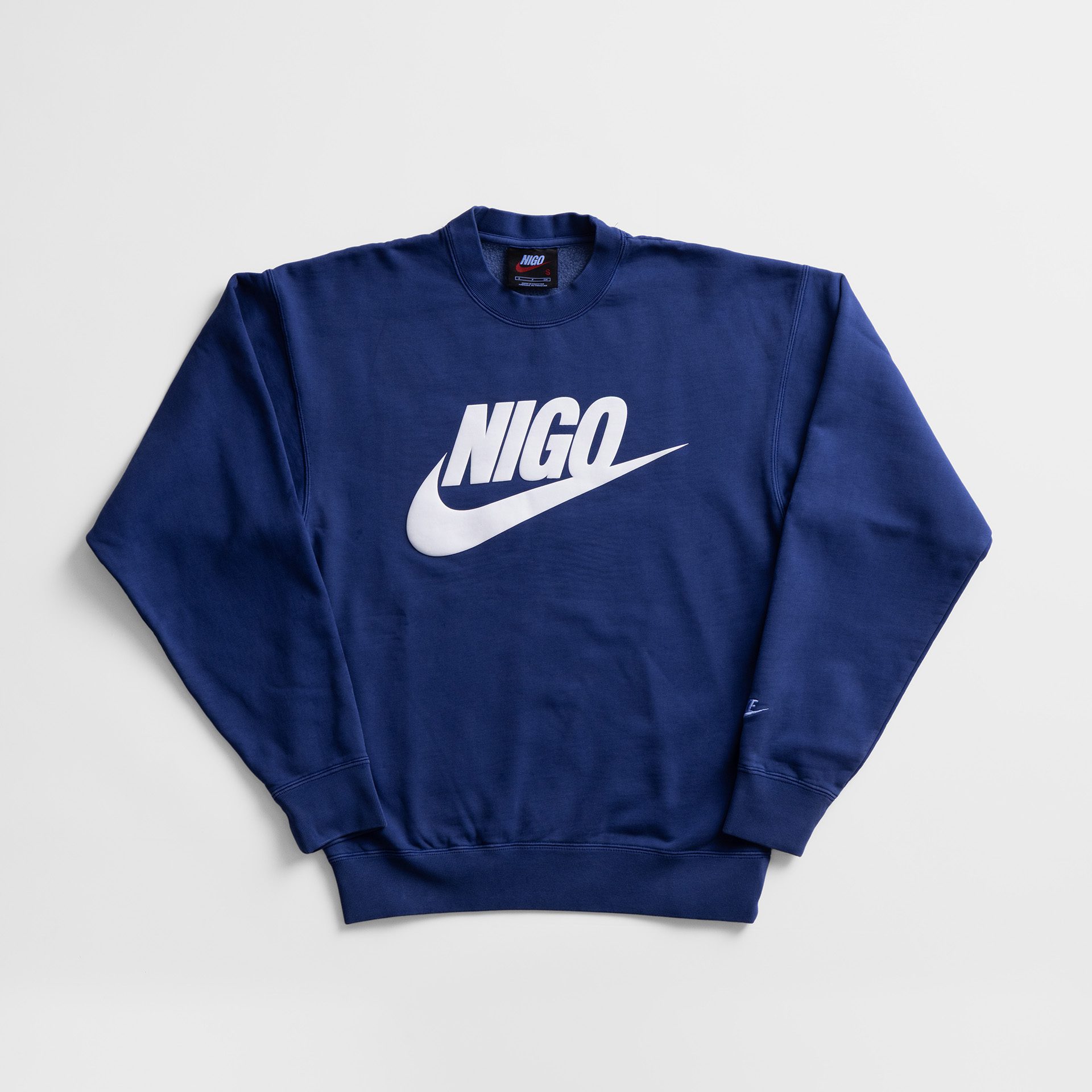

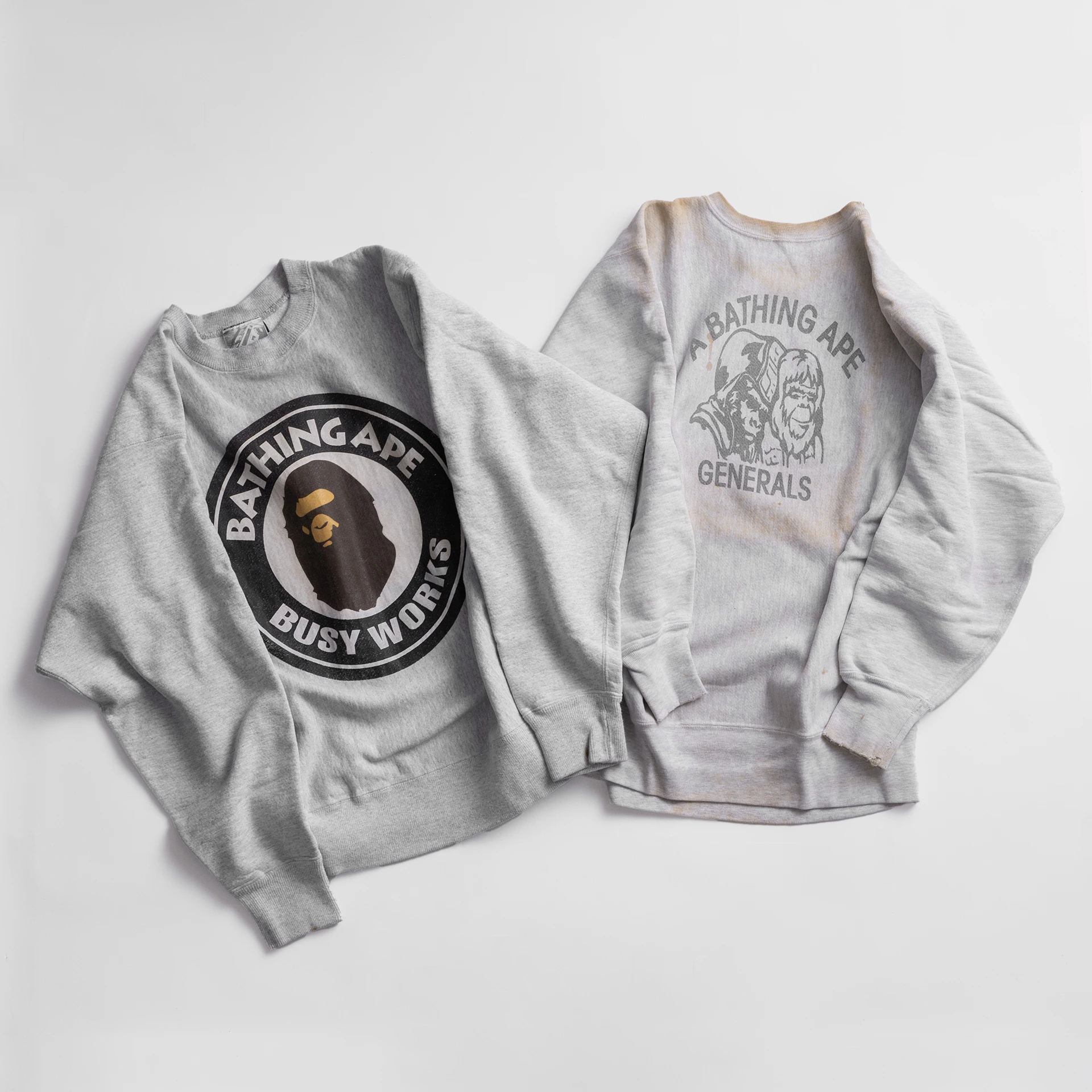

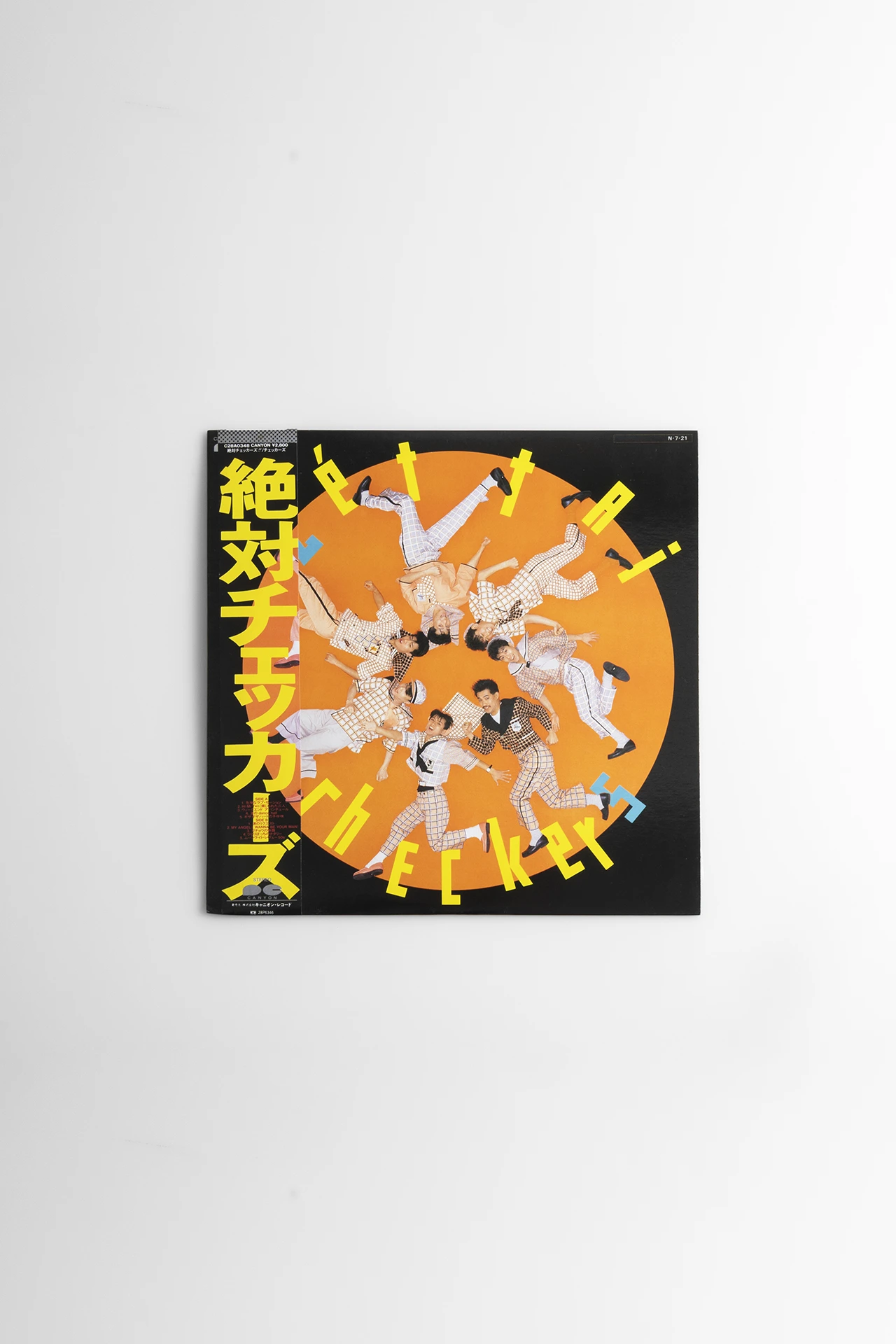
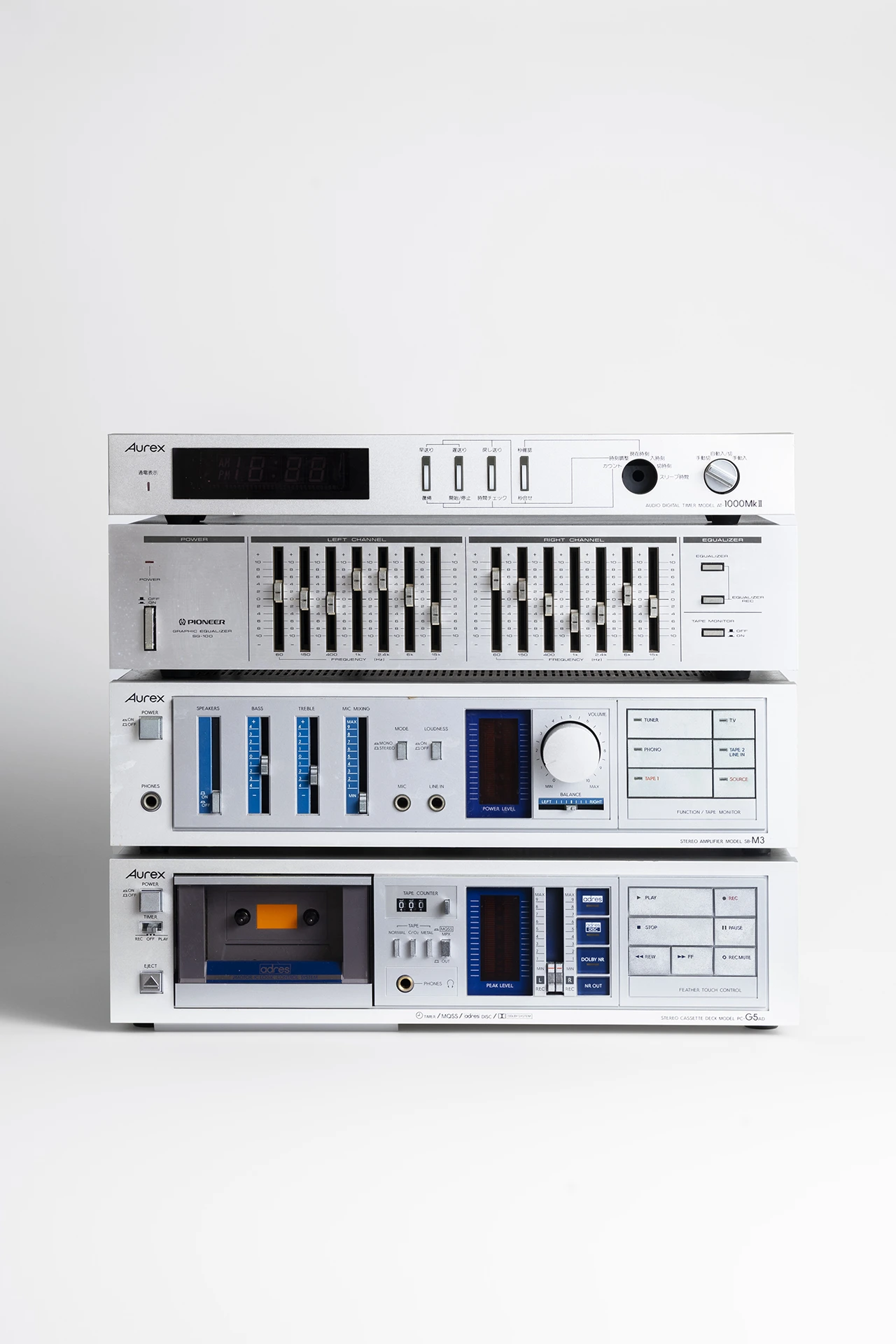
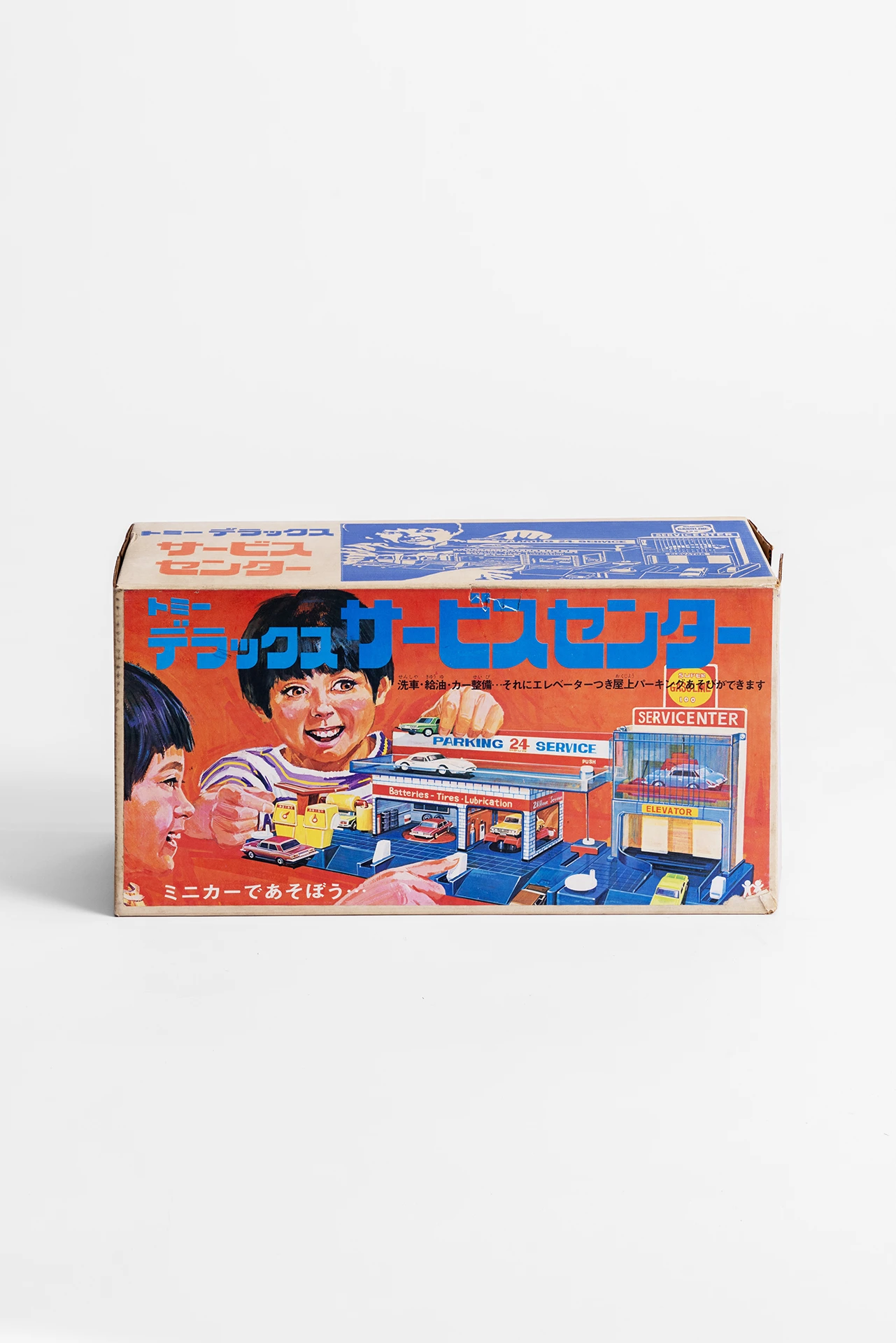
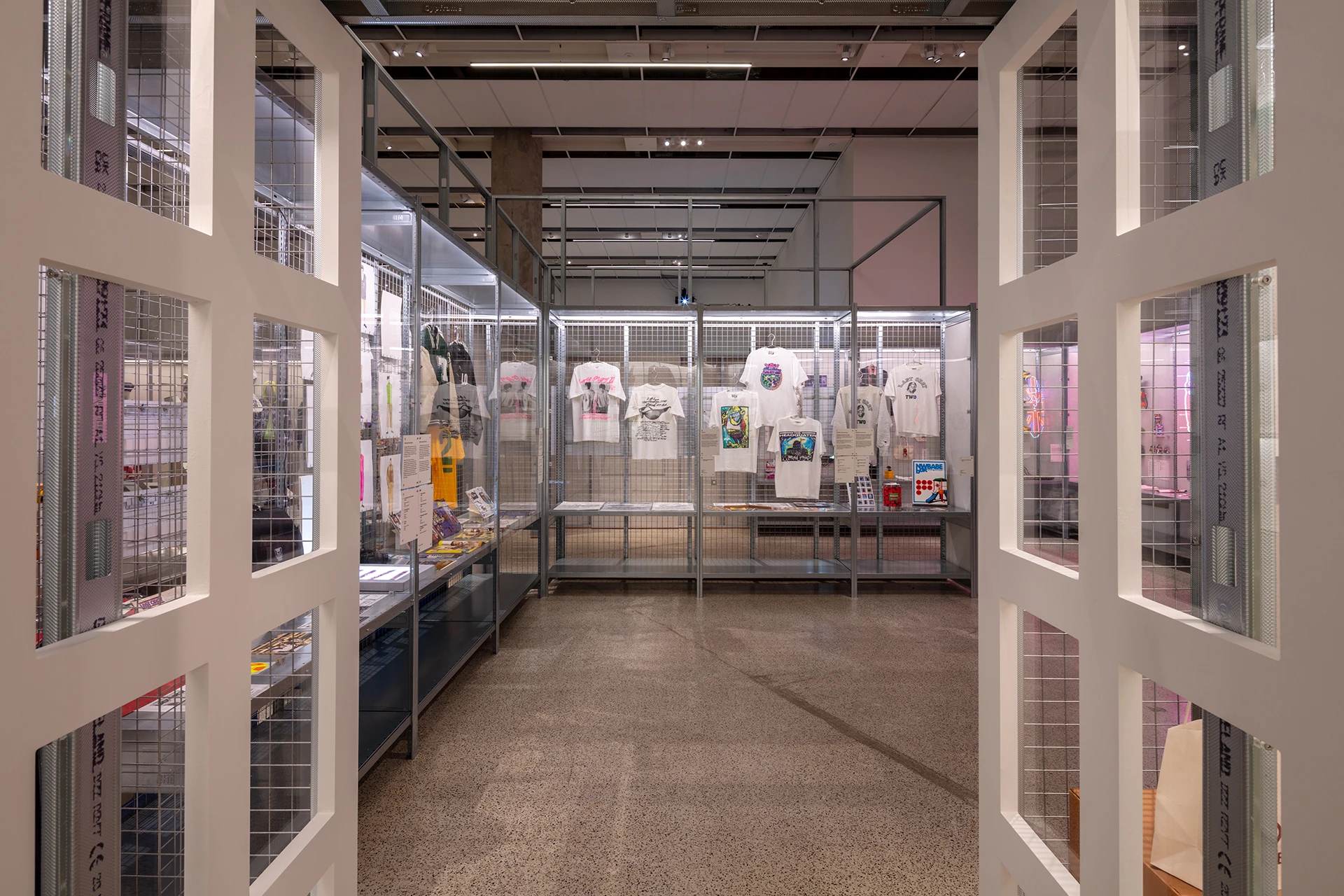
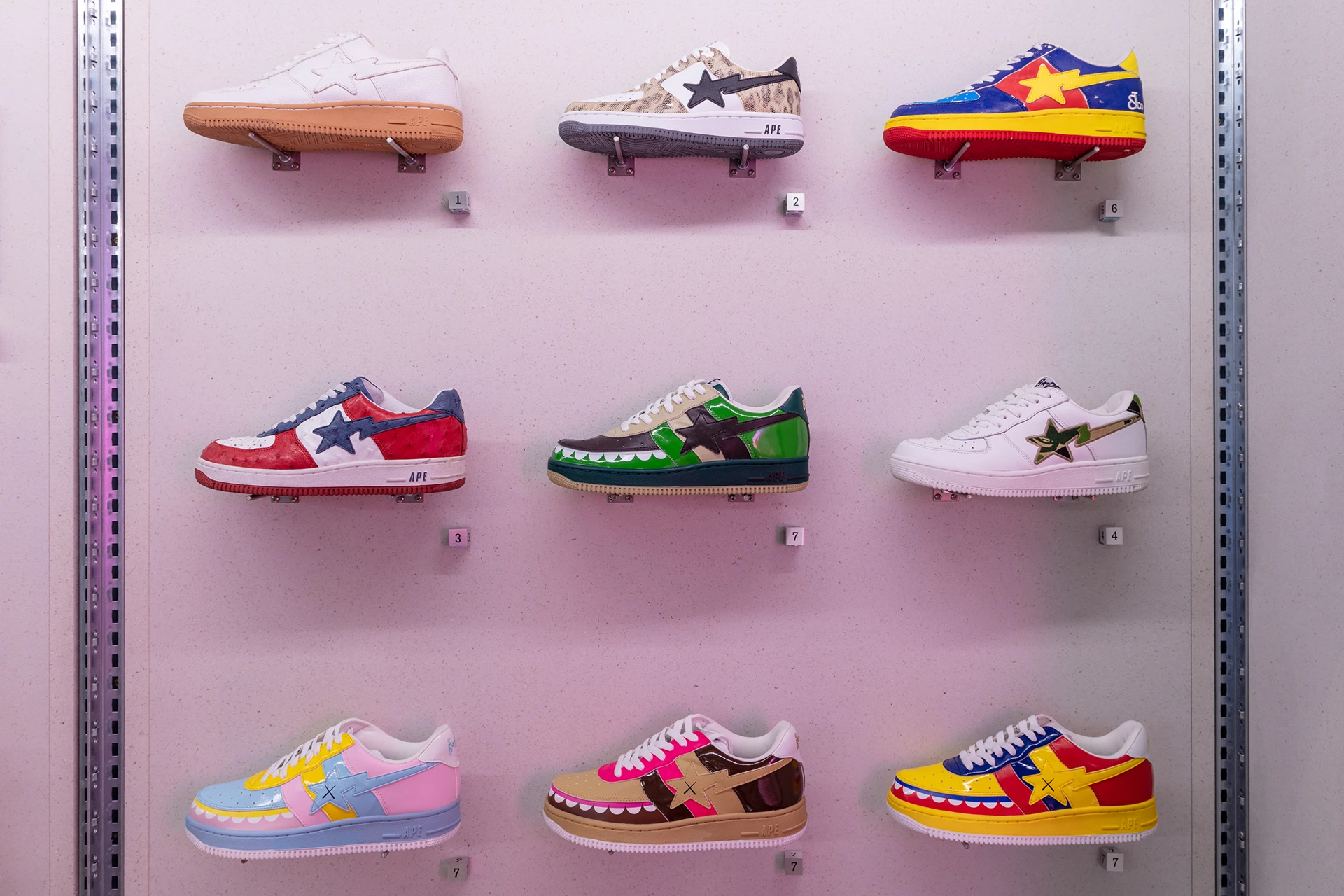
By the time he opens NOWHERE with Jun Takahashi and launches A Bathing Ape in the early 90s, NIGO’s world-building chops are finely honed. He becomes a master of hype, pioneering the art of the limited drop and the coded graphic. We see T-shirts in spray-can containers and membership cards designed like credit cards; stuff that drives consumers into a frenzy.
There’s a tendency to talk about NIGO as a myth-maker; streetwear’s original alchemist, the man who collapsed the distance between Tokyo backstreets and Paris runways. The show doesn’t argue with that, but it doesn’t lean into it either. It gives an earthly, almost scrappy backstory to his all-conquering noughties run. We see his painstaking collecting, wading through these far-flung cultures to create a thread that is wholly his own.
“I received the offer from the Design Museum at a time when I was thinking about bringing together the story of my 55 years,” he says. “So I was grateful for the opportunity.”
Music runs alongside it all. His long partnership with Pharrell Williams sits at the centre of that story, but the influence is broader. We see NIGO’s formula – “Fashion + Music = Culture” – play out across the rooms: styling artists, forming Teriyaki Boyz, folding sound into silhouette until the two are indistinguishable.
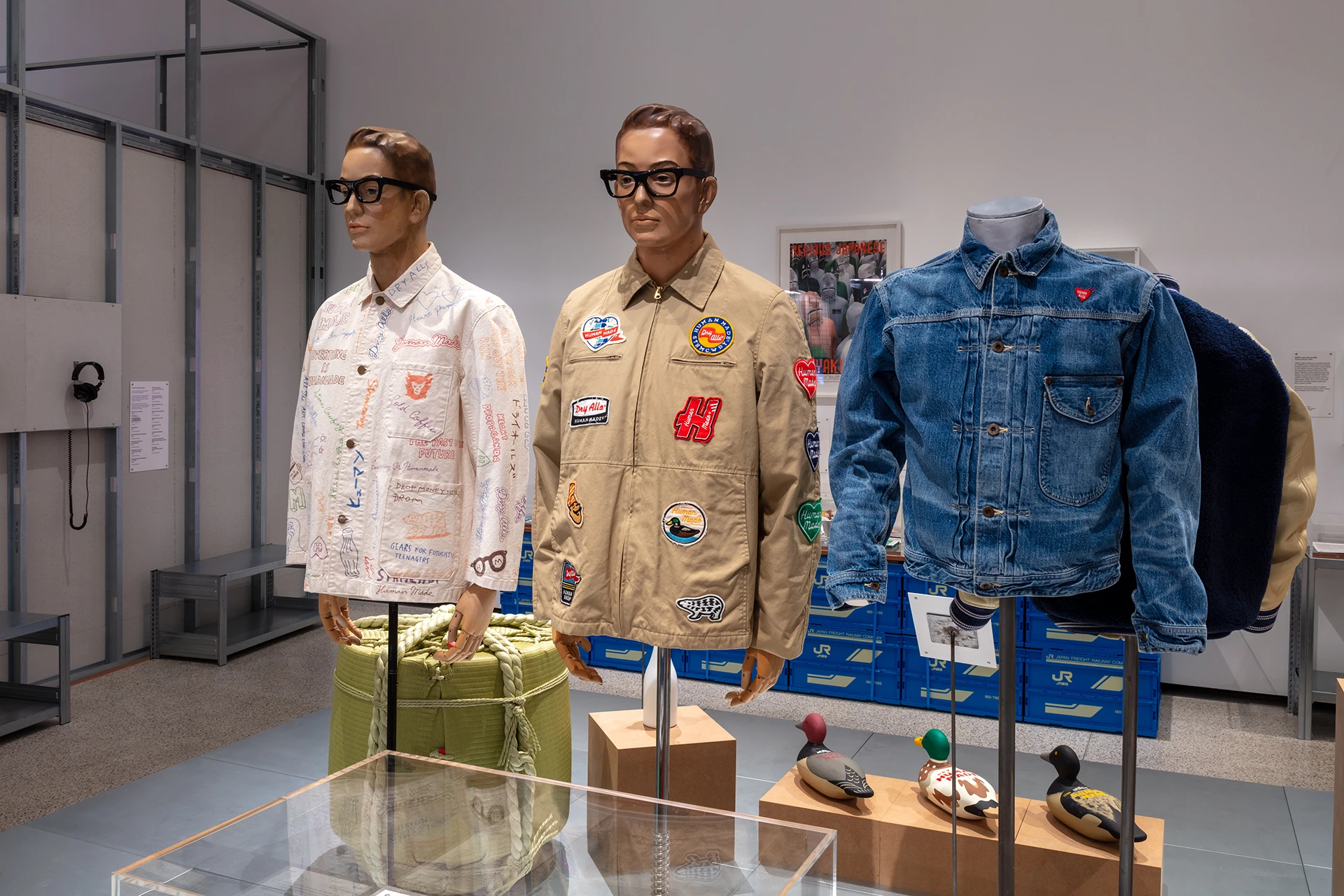
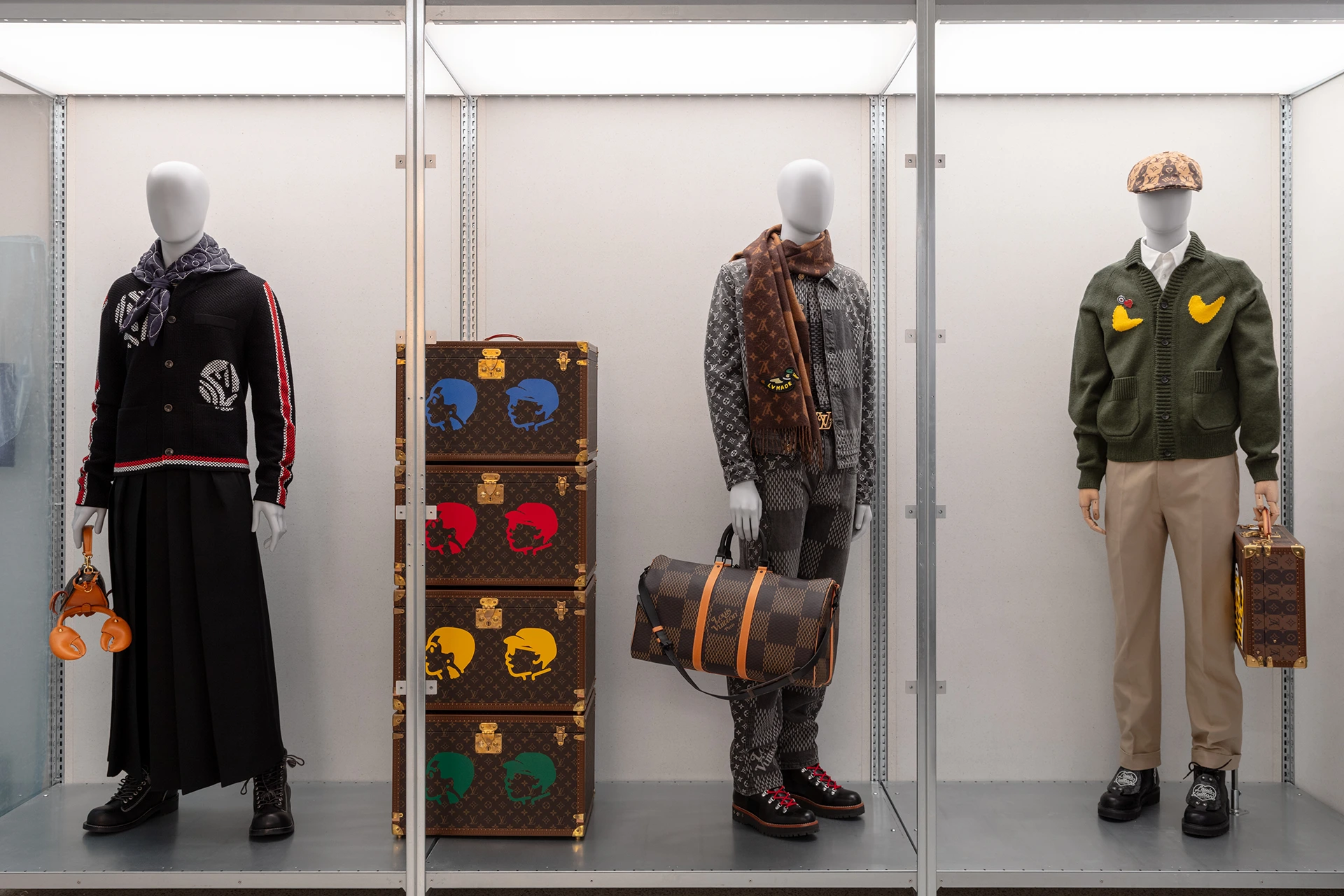
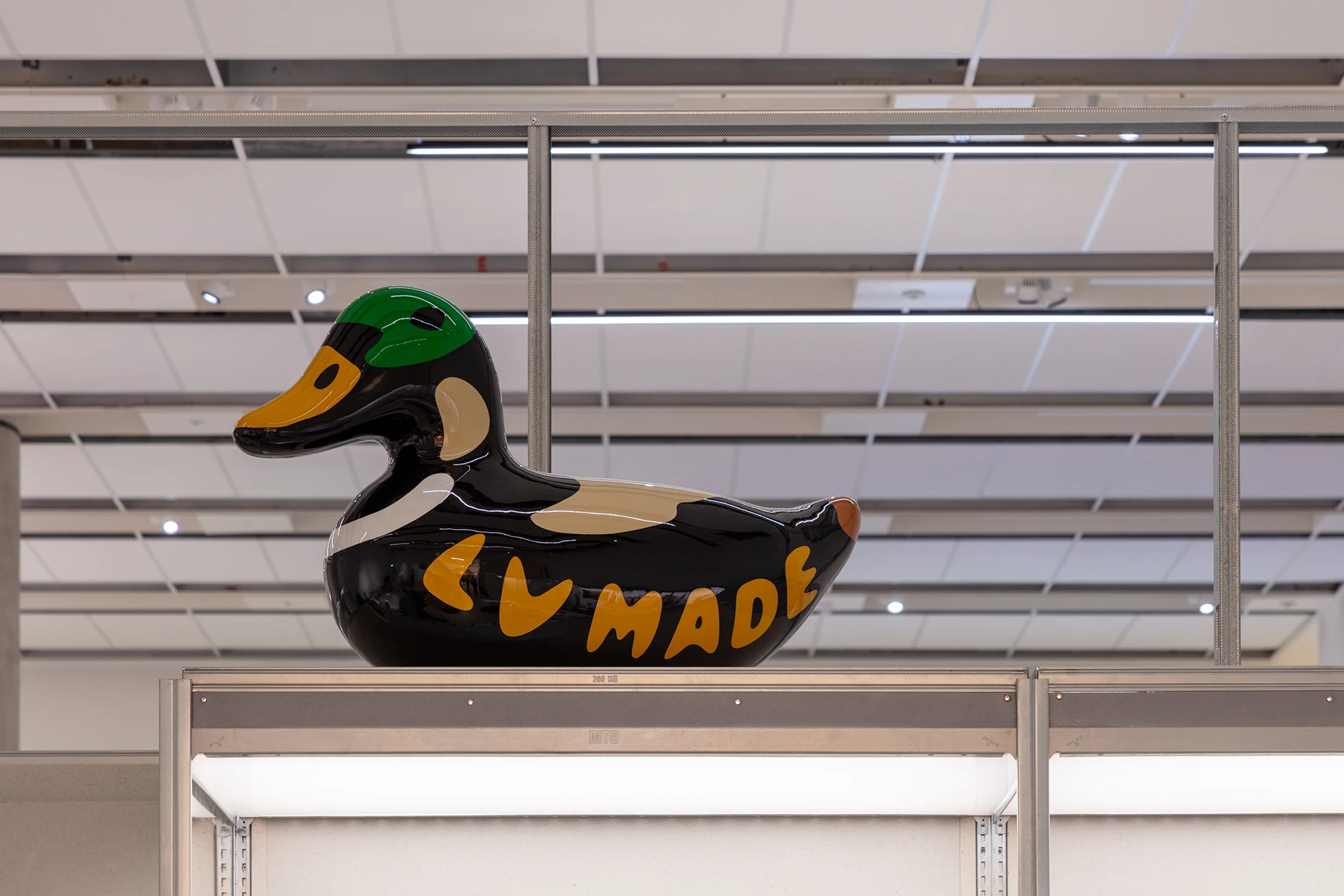
The magnitude of his influence increases as we move through the exhibition. Louis Vuitton, and Nike are spotlighted as the pinnacle of his career but even against the weight of the swoosh and the LV, the designs feel undeniably NIGO’s. There are echoes of Virgil Abloh here, that same instinct for collapsing hierarchies, for treating luxury and street as parts of the same conversation rather than opposing poles.
But what holds the show together is the insistence on process. “It made me feel nostalgic,” NIGO says of revisiting his archive, “but it was also a chance to reflect and learn more about myself.” You believe it because the exhibition never slips into sentimentality and the objects aren’t framed as relics, but rather an active part of a living thing.
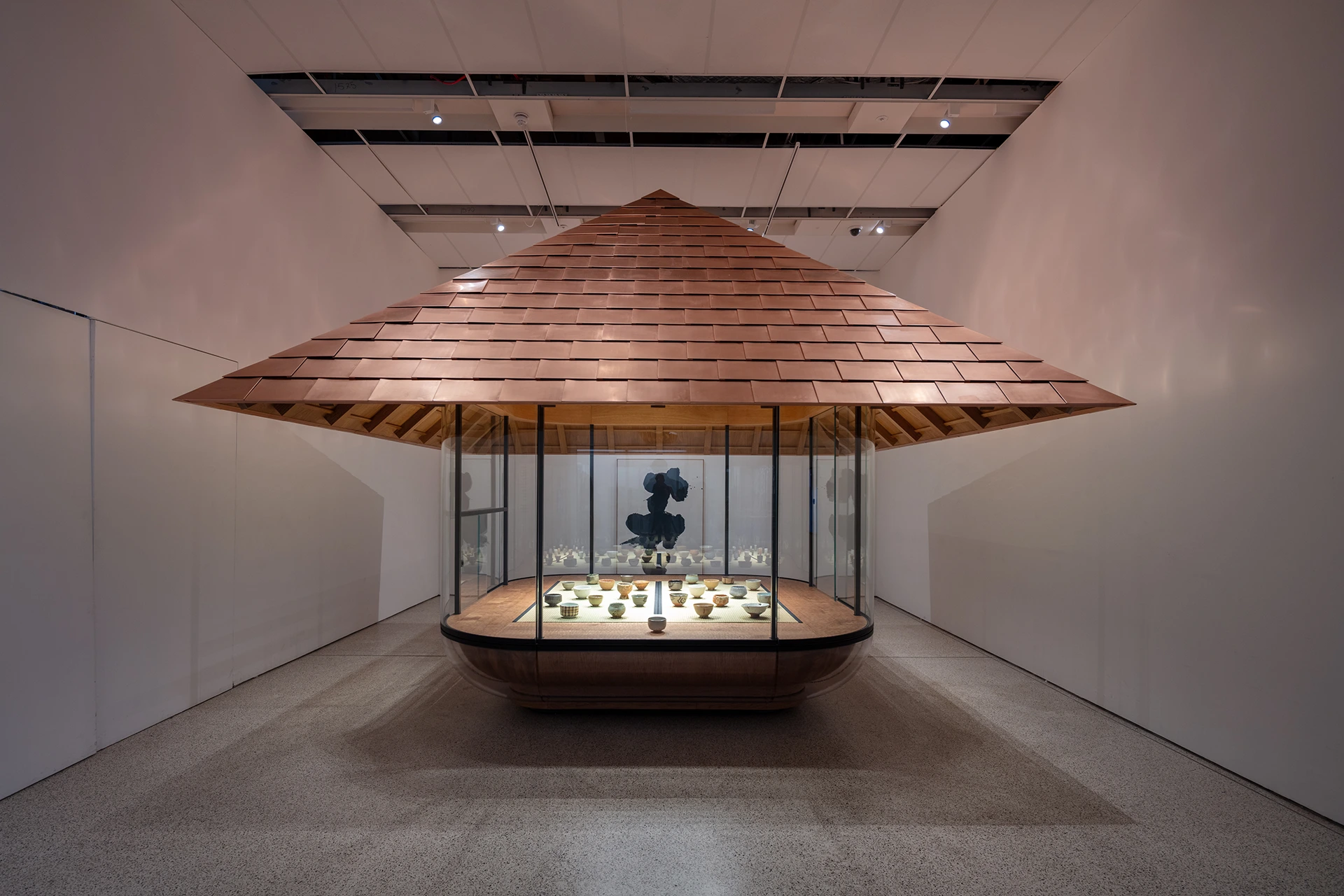
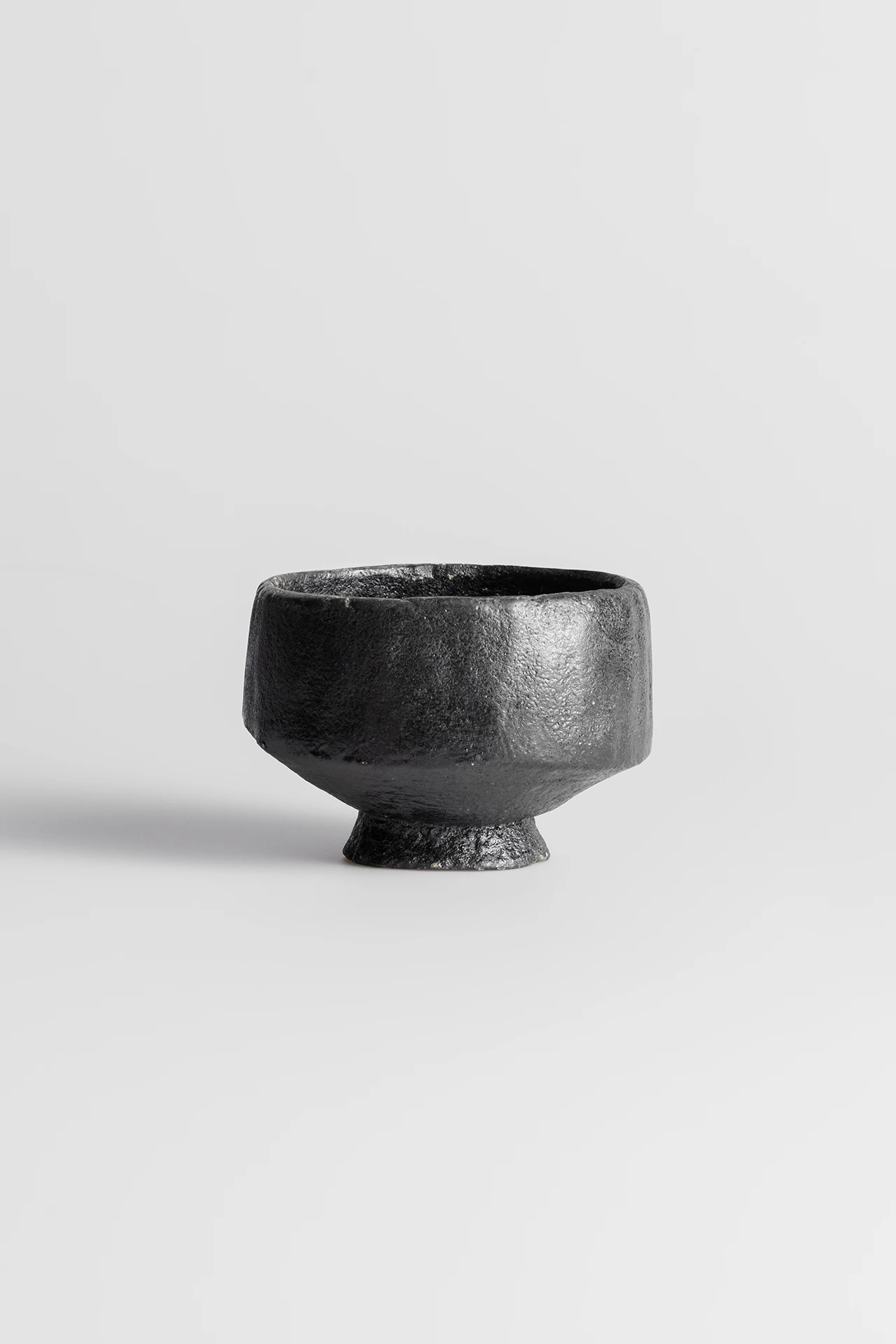
Further on, ceramics made by NIGO himself sit alongside a glass tea house, a precise, almost austere intervention. “There is a big difference between thinking you understand something from photos online and actually holding the object in your hands,” he says. “Everything I have held over the years has been a kind of teacher.”
It’s a useful corrective, not just for fashion but for the way we tend to talk about it. NIGO’s career – any creative’s output that is “of an era” – has been flattened into a series of milestones. BAPE, Billionaire Boys Club, HUMAN MADE, KENZO; but here, the emphasis is on perpetuity.
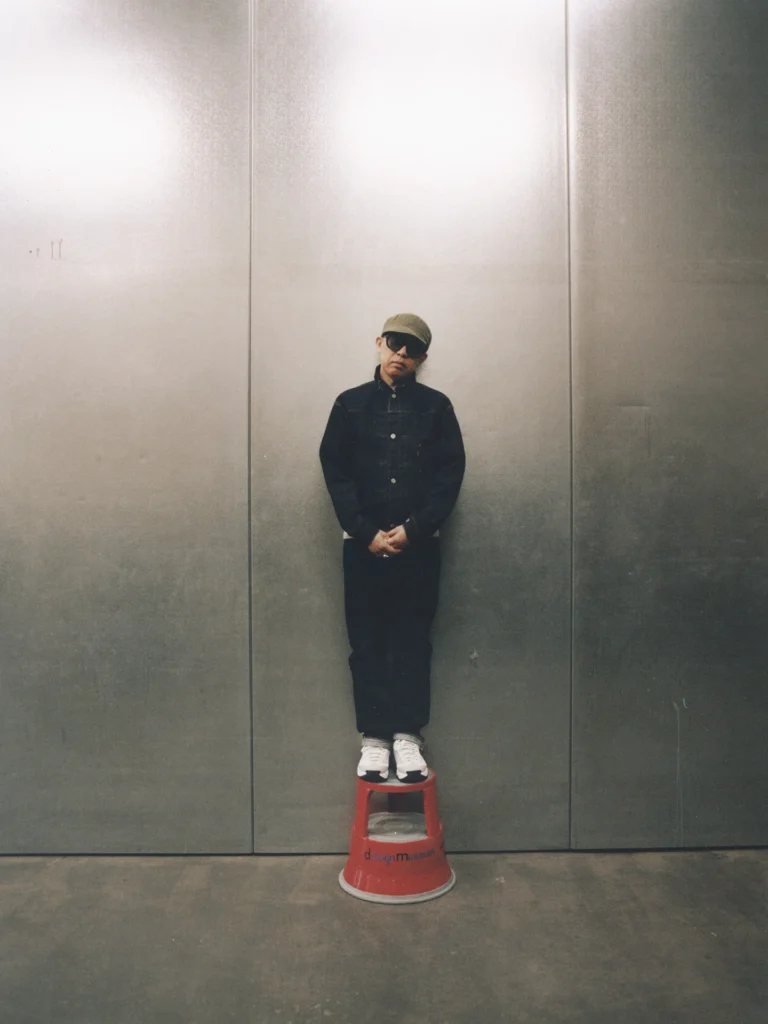
London is a fitting place for it. “I feel this exhibition may be a good opportunity not only to introduce my work, but also to share something about Japanese people and culture,” he says. “London is a city I really like—I even lived there for about a year. In some ways, I feel the cultures of London and Tokyo are quite similar.” It makes sense. Both cities thrive on collision, on the friction between past and present.
What lingers, leaving the show, isn’t the scale of it (though it is substantial) but the restraint. NIGO isn’t presented as a disruptor shouting over the industry, but a collector who never really stopped collecting. A designer who still seems, at heart, like that teenager in the bedroom, figuring it out object by object. And, naturally, there’s an exclusive Nike drop in a pop-up shop at the end of the exhibition.