There’s something compelling about the relationship between whisky and time.
Not simply ageing in barrels, but the idea that the core methodology remains unchanged, even while wider technology advances at a dizzying rate. That sense of continuity sits at the centre of The Balvenie’s latest collaboration with contemporary artist Daniel Arsham. Titled The Dawn of Our Spirit, the partnership sees Arsham work alongside The Balvenie’s Malt Master Kelsey McKechnie on a new Limited-Edition Collection, accompanied by a series of immersive experiences set to take place across Asia and the United States later this year.
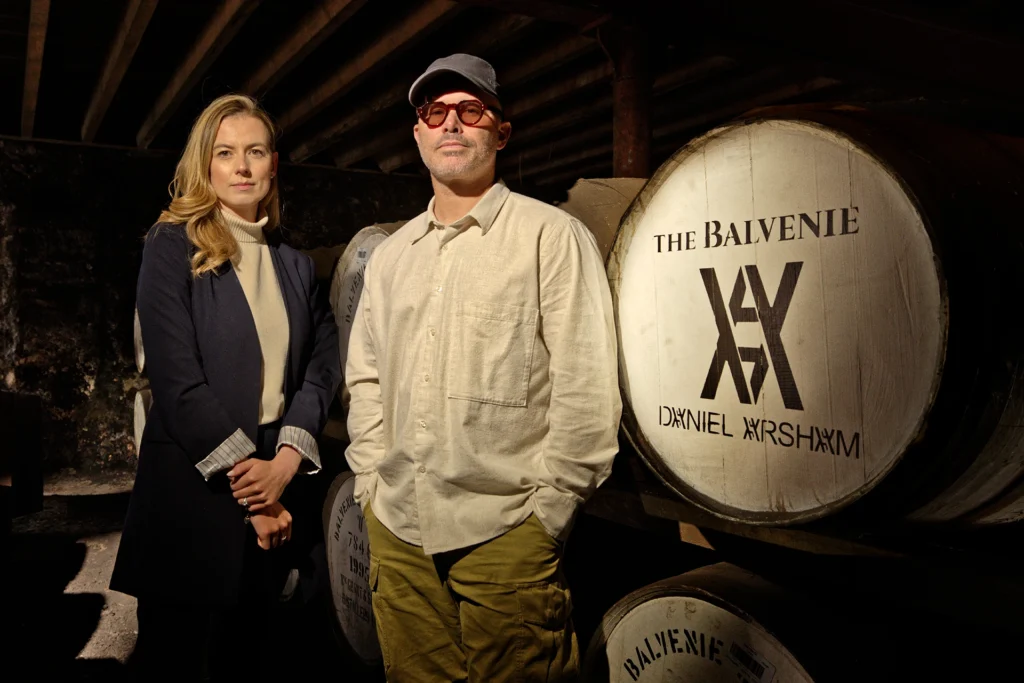
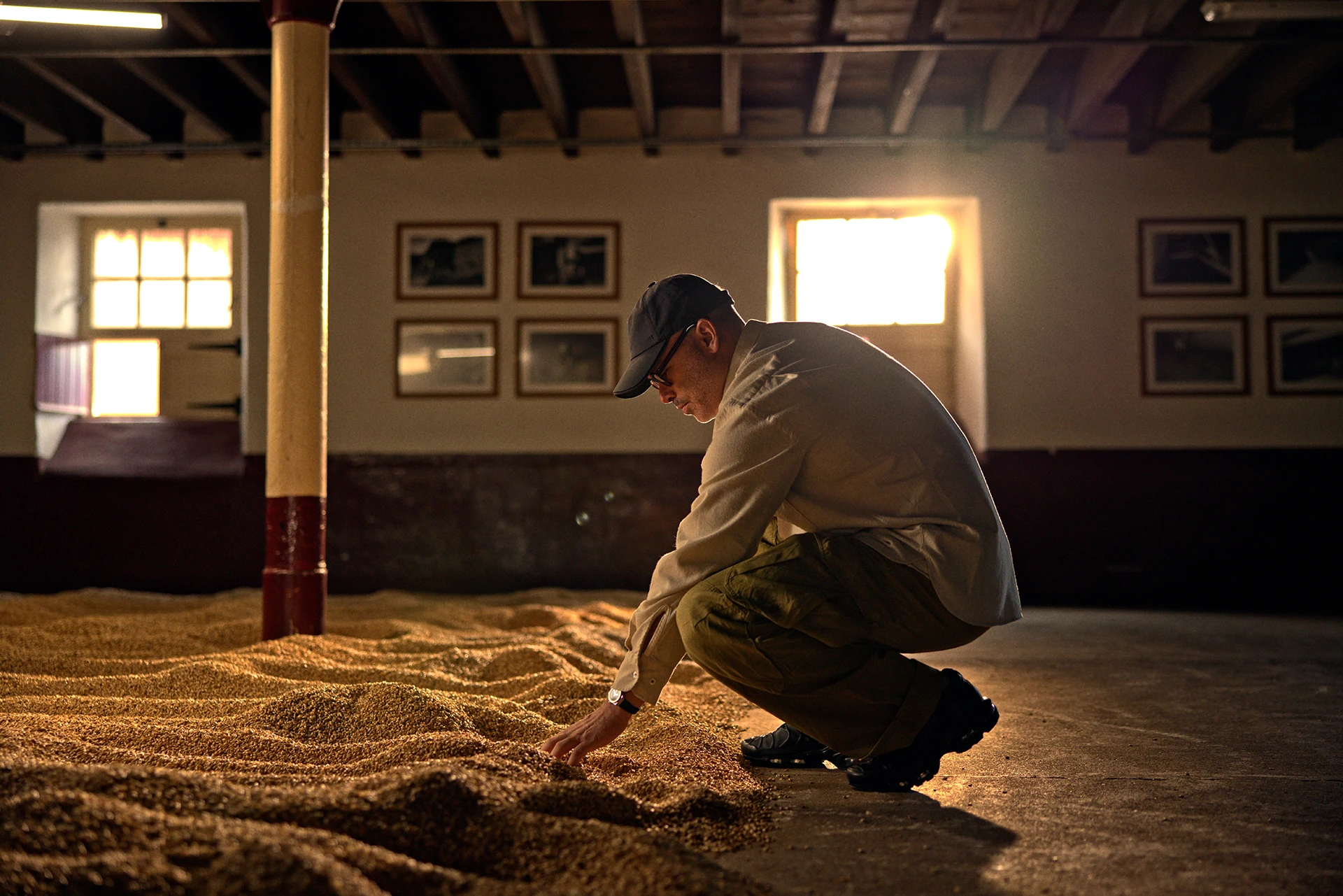
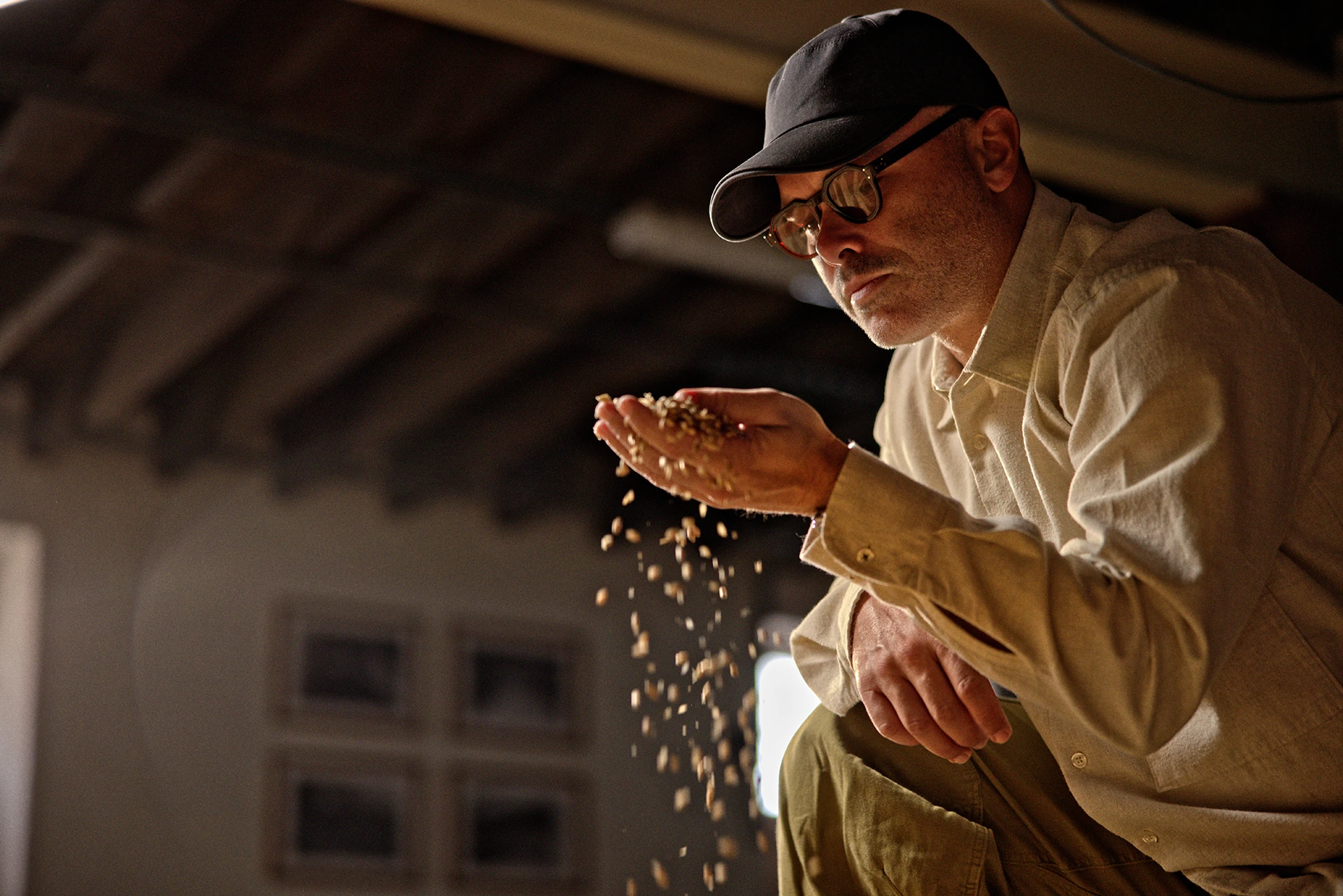
The collaboration draws inspiration from The Balvenie’s Five Rare Crafts – barley growing, floor malting, copper smithing, coopering and the role of the Malt Master – all of which remain central to the distillery’s identity. The Balvenie goes against the modern grain of automation and continues to maintain many of the traditional methods that once defined Scotch whisky production. Its Home Floor Maltings in Dufftown, first established in the 1930s, still operate much as they always have.
For Arsham, whose work often explores the passage of time through weathered sculptures and “future relics”, the collaboration fits perfectly. His practice sits somewhere between art, architecture and archaeology, using different materials to examine notions of permanence and decay. Those themes align closely with whisky-making, where craftsmanship and patience are paramount in process that takes decades rather than months.
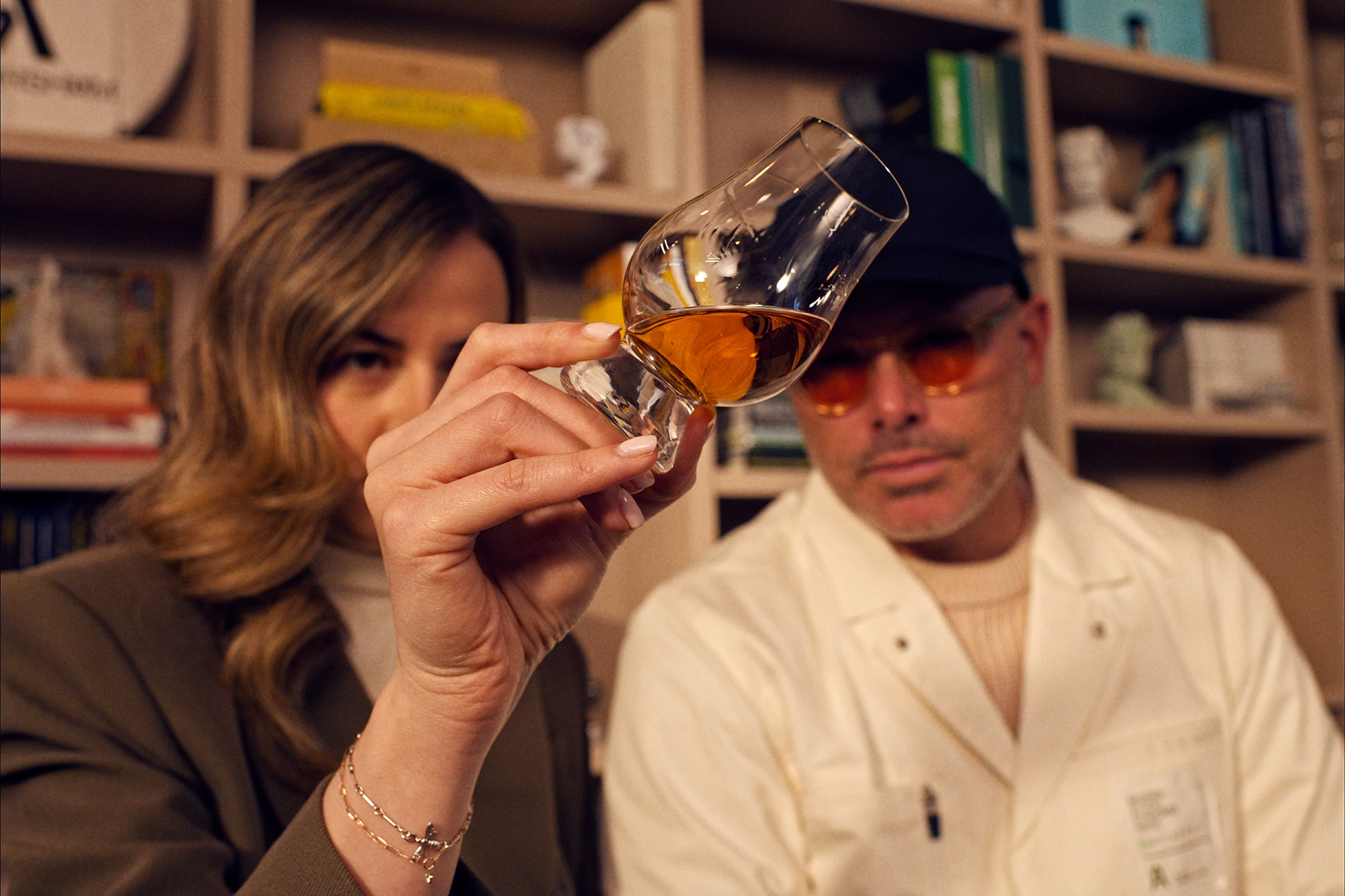

McKechnie’s involvement provides the project its technical backbone. As Malt Master, her role balances expertise with instinctive creativity; preserving The Balvenie’s signature character while continuing to evolve its portfolio. That combination of precision and intuition mirrors Arsham’s own approach to art, even if their mediums differ entirely. What makes the collaboration interesting is that both vastly differing practices are equally rooted in craft.
Luxury brands frequently speak about heritage, but The Balvenie’s traditions remain active parts of production as opposed to mere symbolic references. The distillery still grows its own barley, employs coopers on-site and maintains practices many others have phased out in favour of efficiency.
That emphasis on human involvement feels particularly relevant at the moment. There’s a renewed appreciation for things that resist our culture of instant gratification – our growing disconnect with the source of our joy. People increasingly want to understand how something is made, who made it and what knowledge sits behind it. Whisky naturally lends itself to that conversation because its very appeal is centred around both artisanal expertise and the passage of time. It cannot be rushed. The same could be said of Arsham’s work, which often reflects on the lifespan of objects and the traces left behind by history.
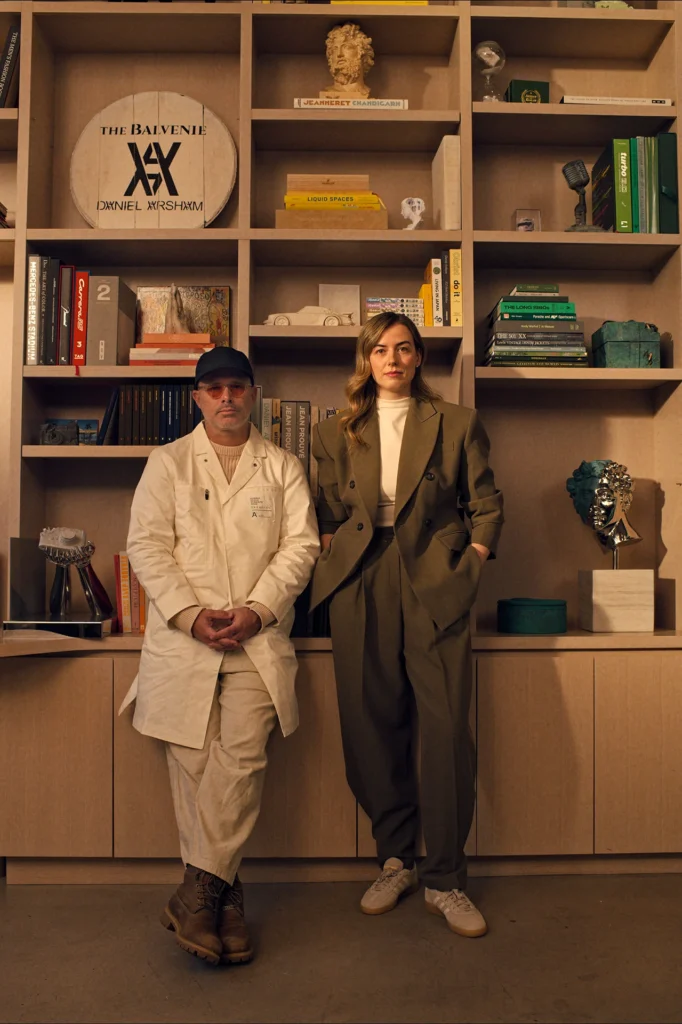
Visually, the collaboration sits comfortably within Arsham’s established sculptural language, though The Balvenie has so far kept details of the collection closely guarded. What has been revealed is a focus on storytelling and sensory experience, with collectible releases that interpret each of the Five Rare Crafts through Arsham’s lens. Crucially, though, the collaboration doesn’t feel forced. There’s a clear conceptual overlap between the two worlds. Both are built around material transformation, patience and preservation of technique. In many ways, The Dawn of Our Spirit arrives at a moment when those ideas carry renewed cultural value. As more industries become streamlined and digitised, visible craftsmanship has become a form of luxury in itself.
The Dawn of Our Spirit leans more into stewardship than rest on nostalgic laurels. Both Arsham and McKechnie are custodians of practices that depend on accumulated knowledge. It’s not disruption for disruption’s sake. In celebrating The Balvenie’s Five Rare Crafts, the collaboration highlights the value of expertise passed from one generation to the next. The resulting collection may prove highly desirable in its own right, but its real significance lies in what it represents: a reminder that some of the most meaningful forms of innovation are those that remain rooted in tradition.