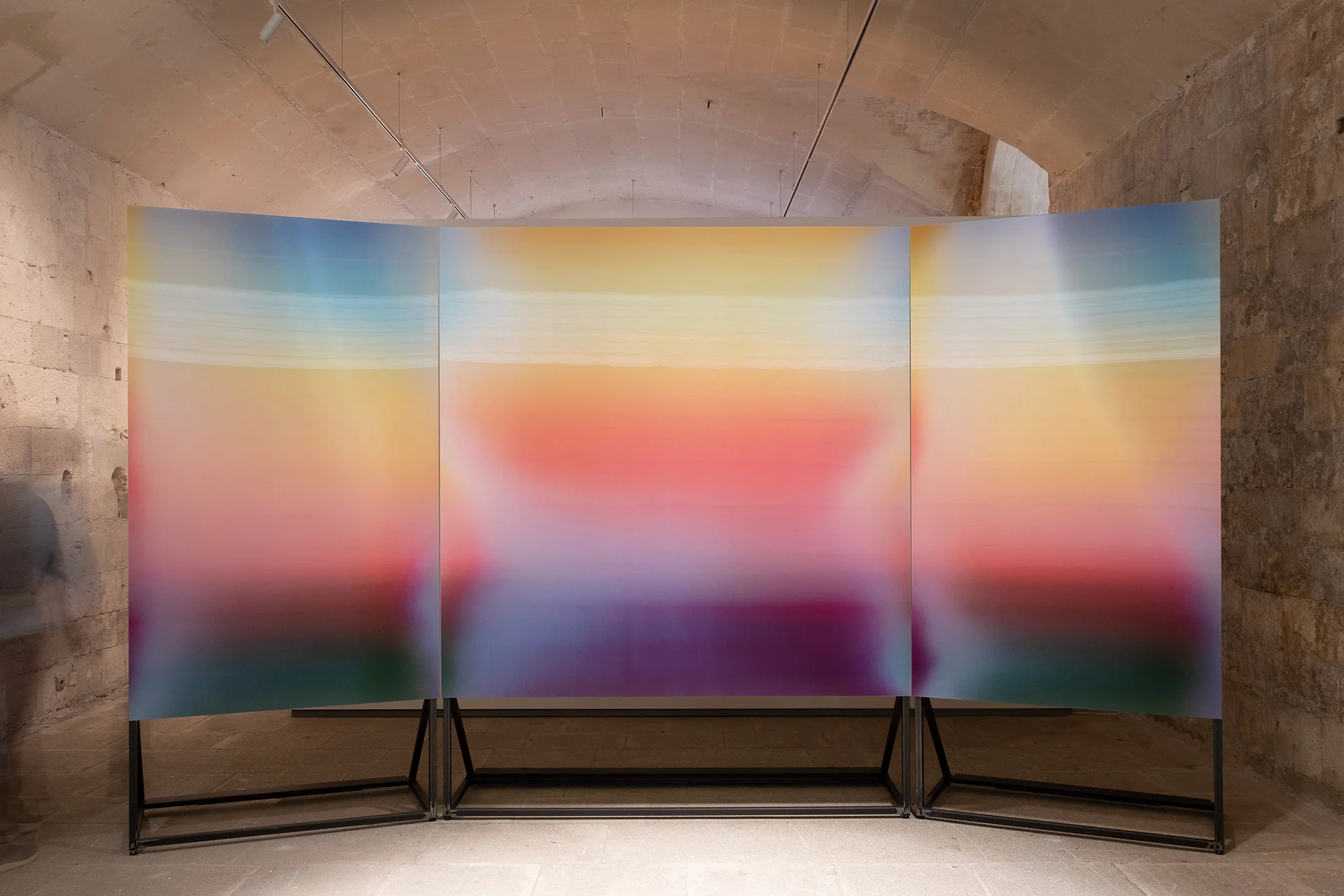
Diaspora. There’s that word again. It’s one of those overused terms whose meaning has diluted in impact.
Words like ‘genius’ and ‘iconic’ – we all ascribe them to people or things we want to spotlight. A diaspora refers to a population scattered from their ancestral homeland, maintaining cultural ties to their origin while living elsewhere. Zoom out enough and this term could apply to any group of people. Zoom out further and those words “group” and “people” – all collective nouns, in fact – become even more redundant. Of course, this unravelling of terms could on one hand leave nothing but a spool of homogenous gloop when assessing the world, but on the other its worthwhile exercise the grants a certain perspective.
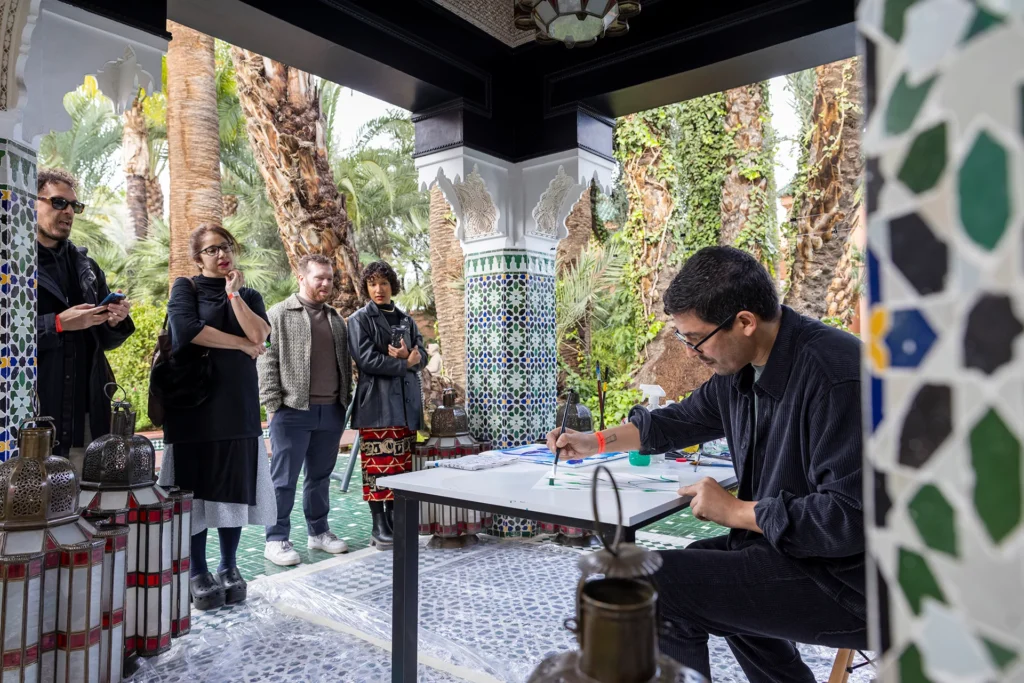
In order to give weight to the word ‘diaspora’, we should read between the lines: it’s not about a category of person – as a species we have moved, displaced, re-settled throughout history and lines blur along with allegiance to these man-made categories. It’s about artistic expression that is rooted in, but crucially not tethered to, a particular time or place on Earth. The cultural imprints we leave and carry are an impermeable legacy entwined primordially with space and time.
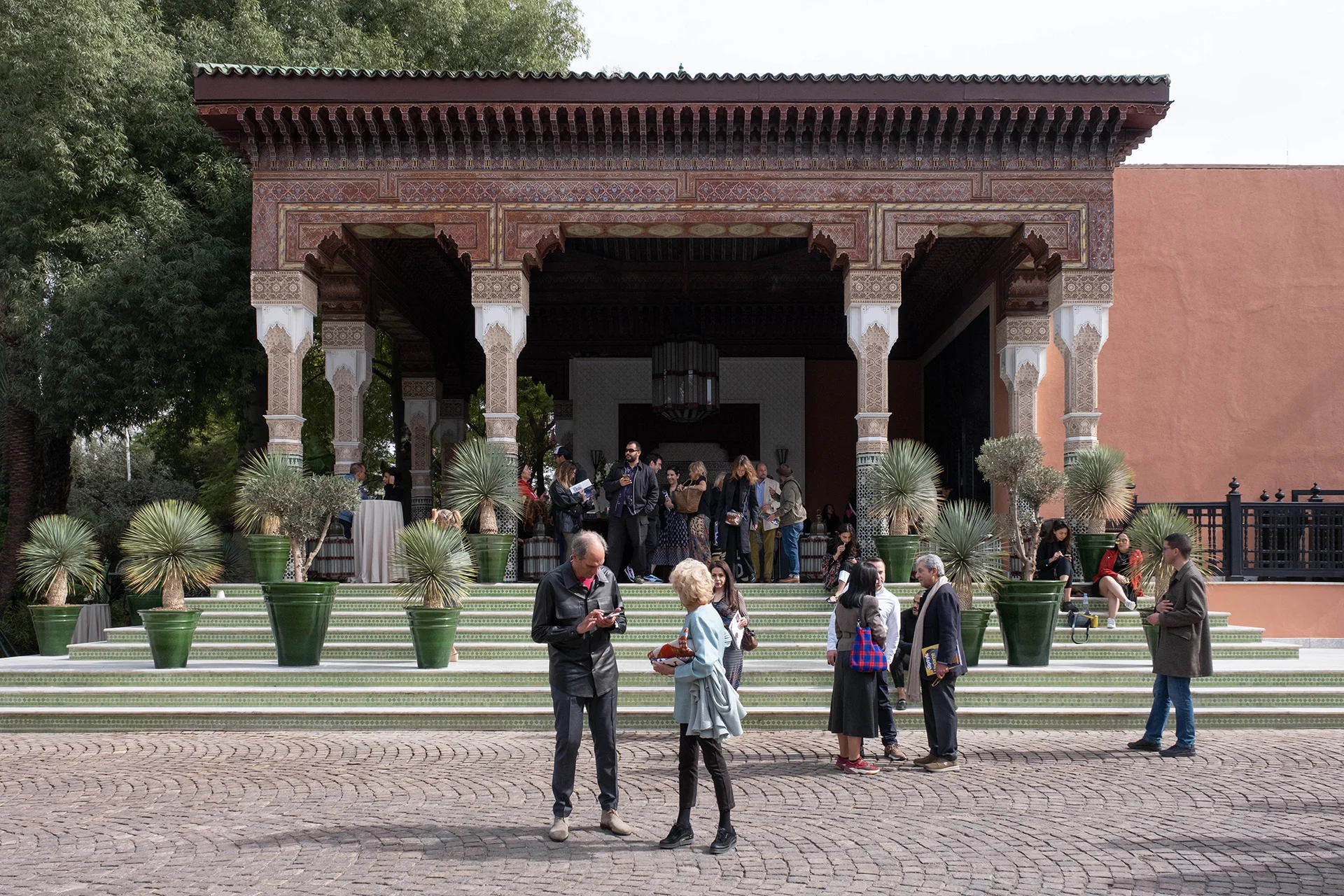
1-54 is an international fair dedicated to contemporary African art. They stage three iterations of the fair across the year and continents: one in New York, one in London and one in Marrakech – which is the subject of this feature. Across museums, independent spaces and galleries, the fair positions Marrakech as a connective node between Africa, Europe and the wider world. It transcends the idea of African art as diasporic and toward a recognition of its foundational role in global culture. There will be four exhibitions at MACAAL, combining collection works with new commissions by Prune Nourry and Yassine Balbzioui, alongside a solo presentation by Elladj Lincy Deloumeaux at Monde des Arts de la Parure. LE 18’s Organic Knowledge explores ancestral knowledge and how its reach has shaped wider world, while the Musée Yves Saint Laurent Marrakech presents three exhibitions, including a show by photographer David Sneidner.
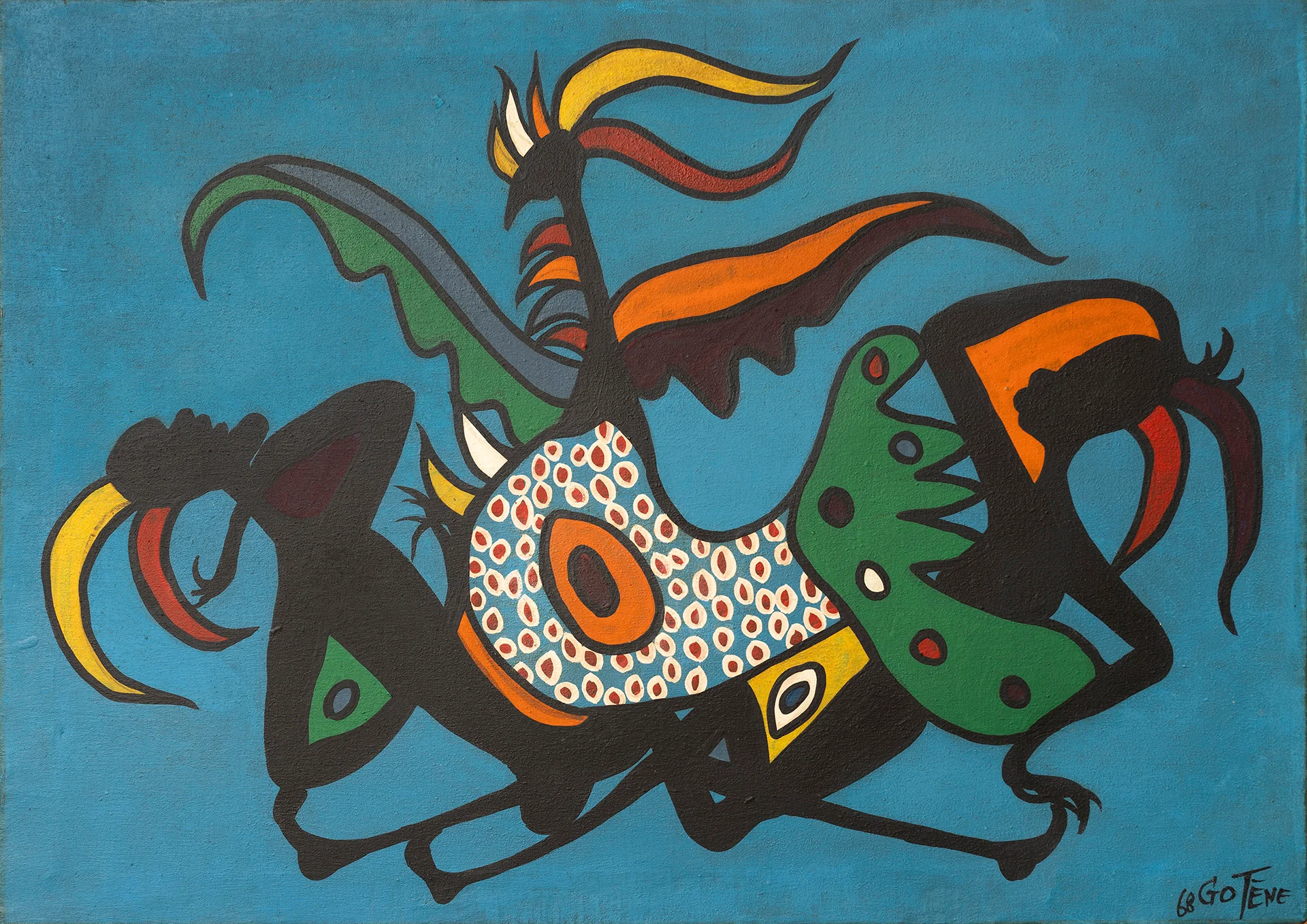
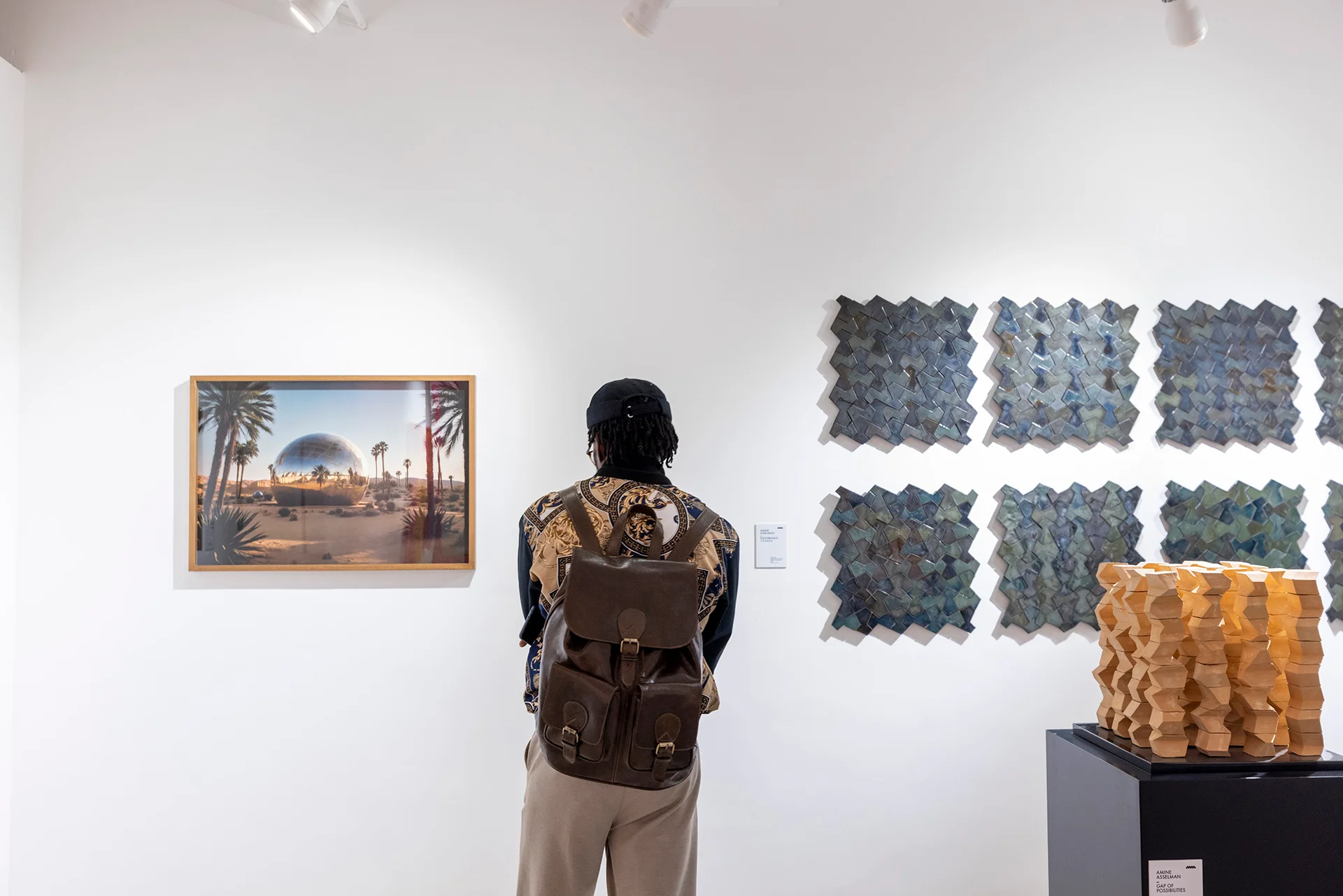
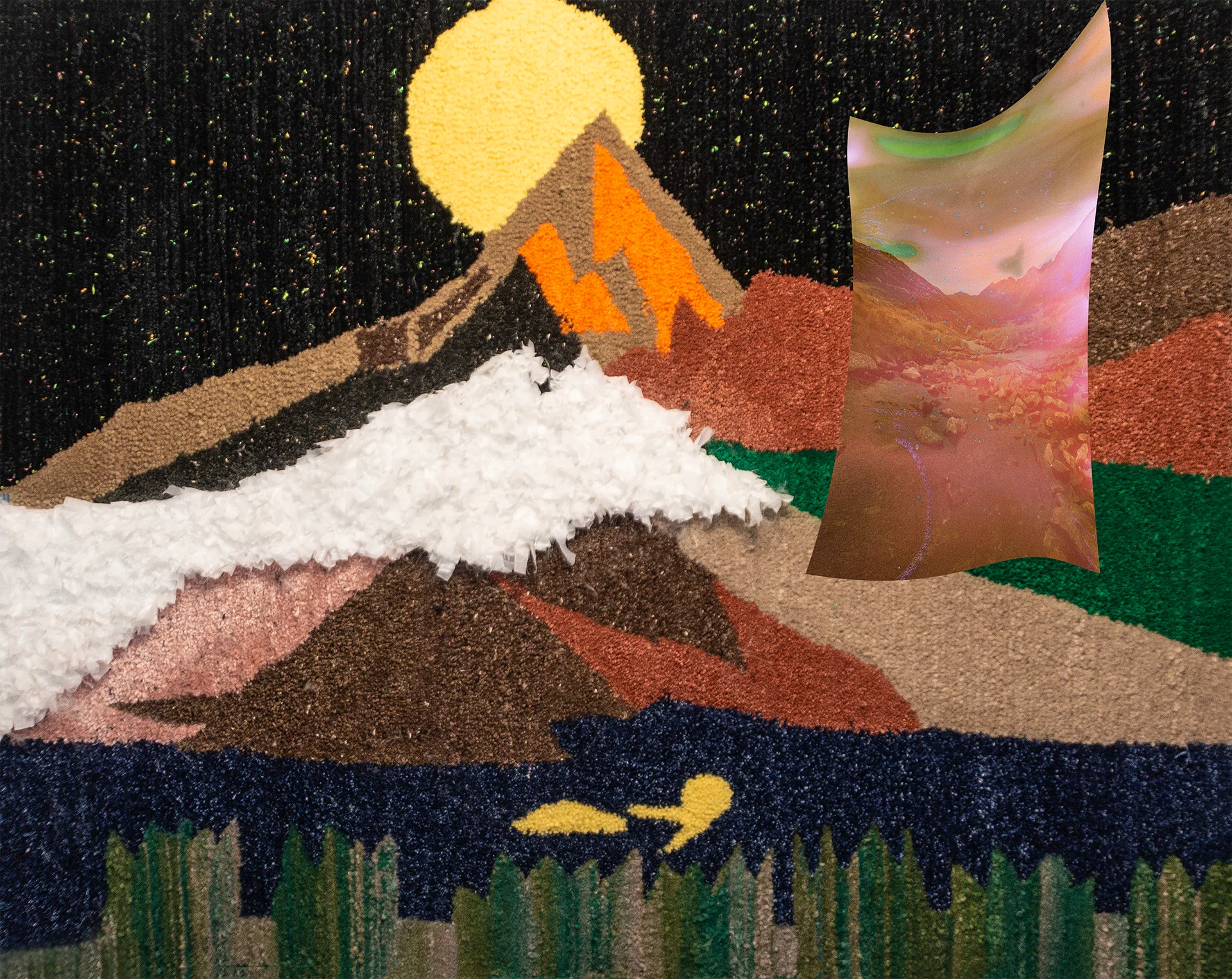
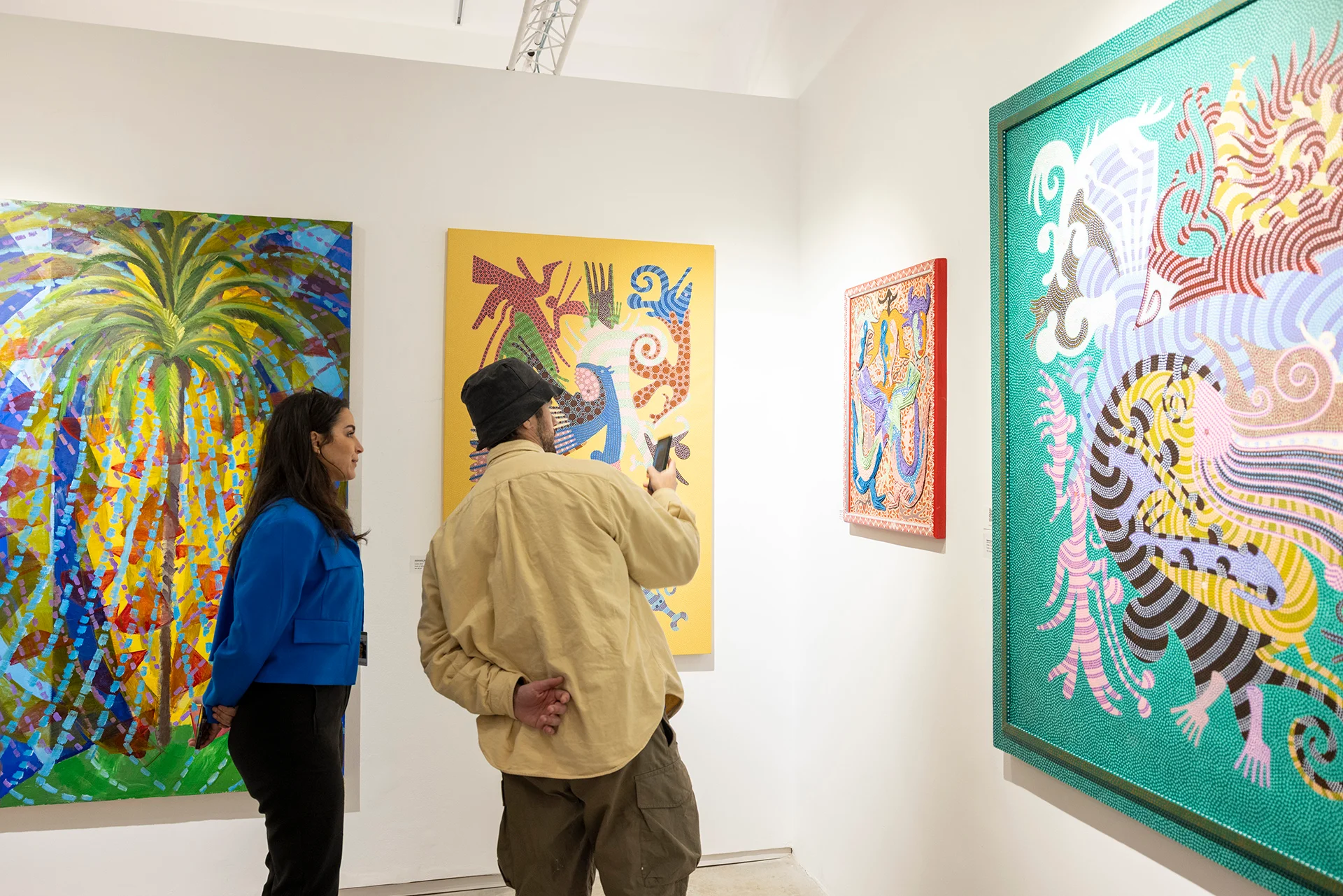
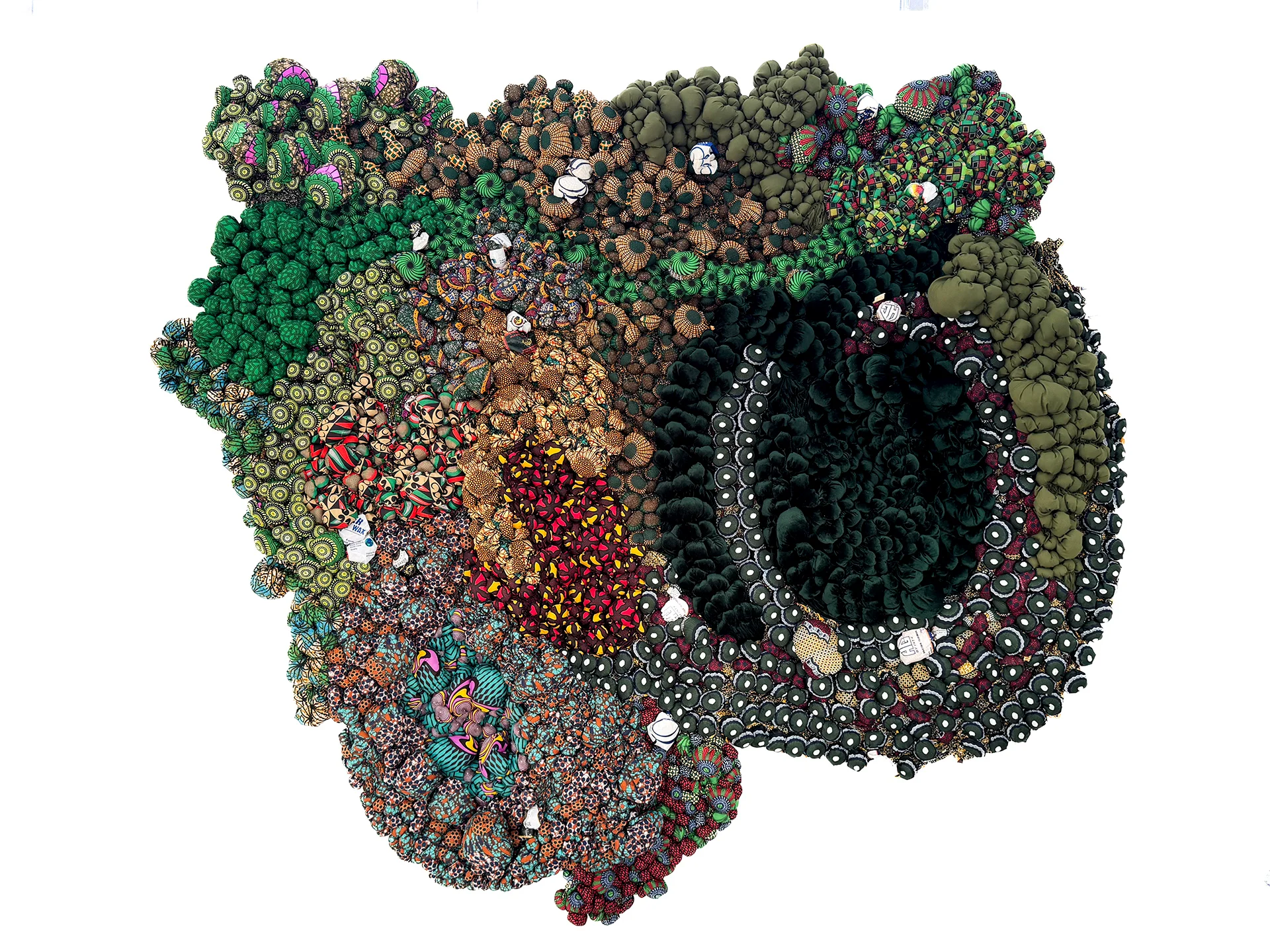
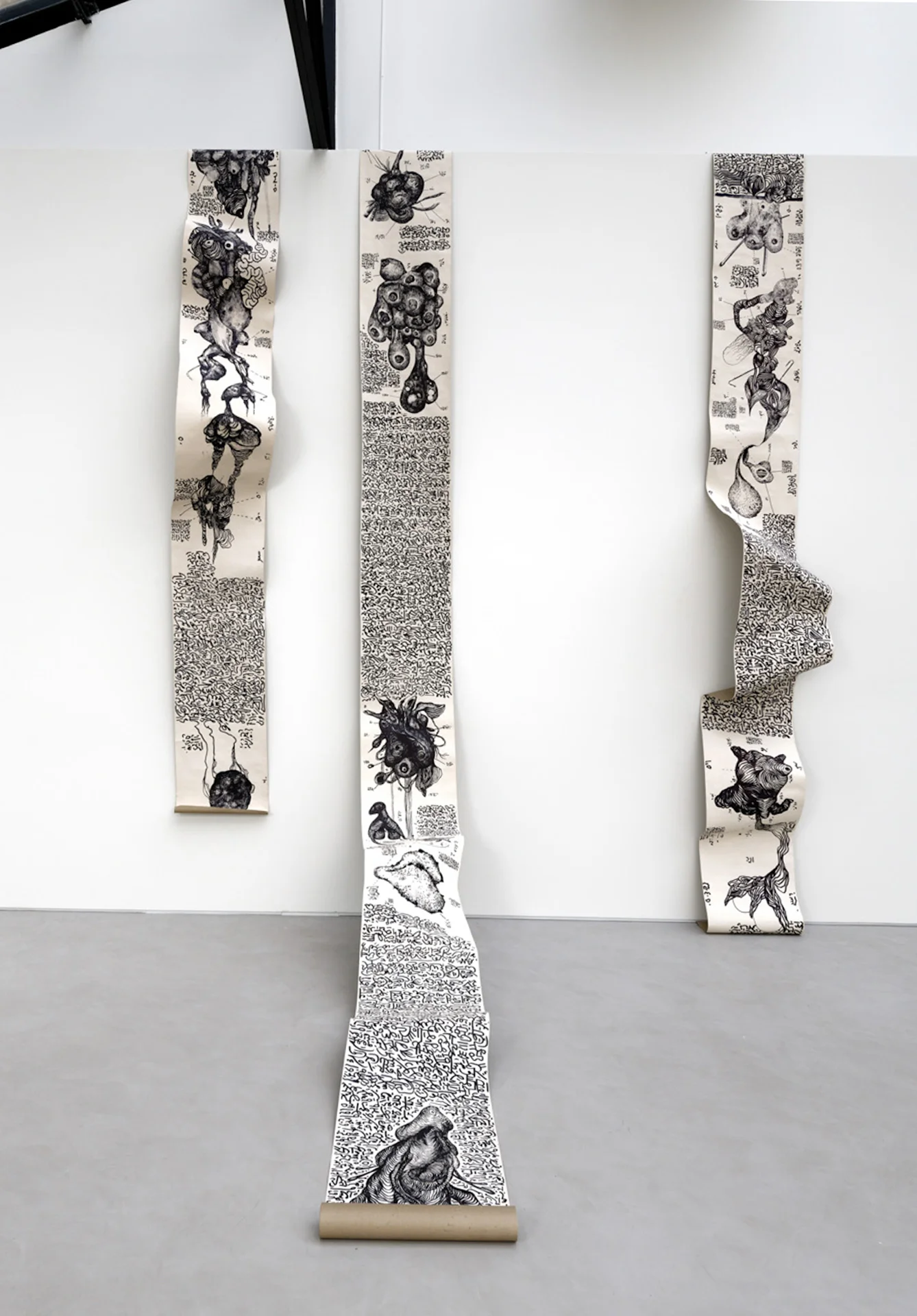
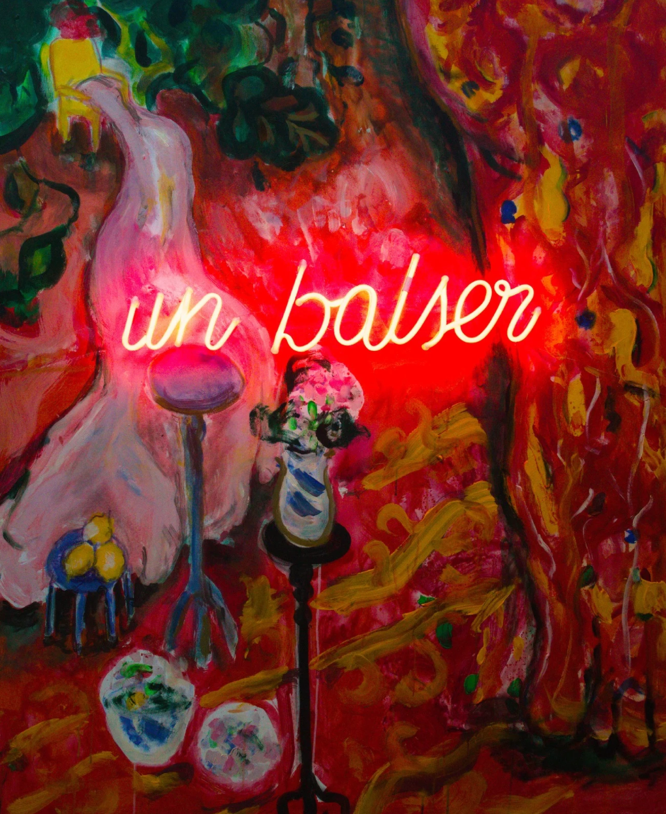
Tunisian artist Aïcha Snoussi does a spectacular job of holding both universality and established roots in balance with one another. She blends drawings and installations that blur fiction and archive to explore identity. Her ongoing project Underwater, an archaeological fiction imagining a civilization rediscovered on the African coast, creates entirely novel mythologies that pair the ancient with the contemporary.
Moroccan artist Amina Benbouchta bridges painting, sculpture, installation and video to investigate socio-cultural norms. Her work centres on the female body and women’s roles in public and private spaces. As co-founder of Collectif 212, she has also been instrumental in nurturing Morocco’s contemporary art scene.
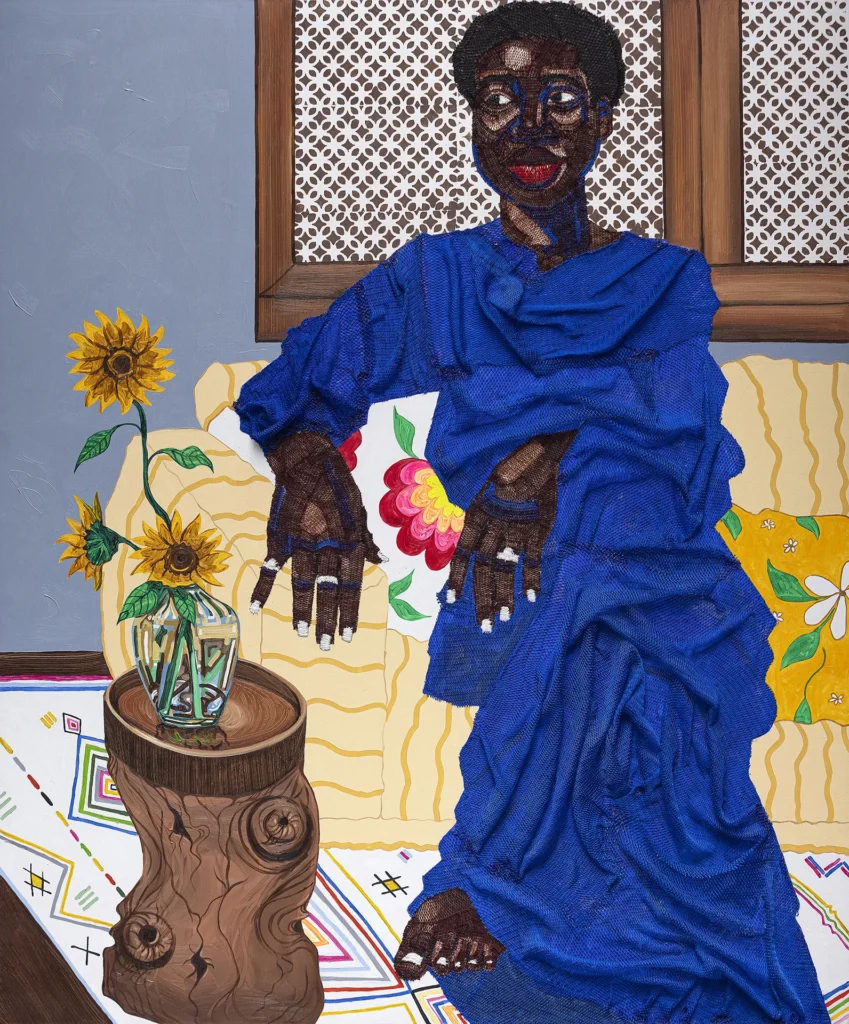
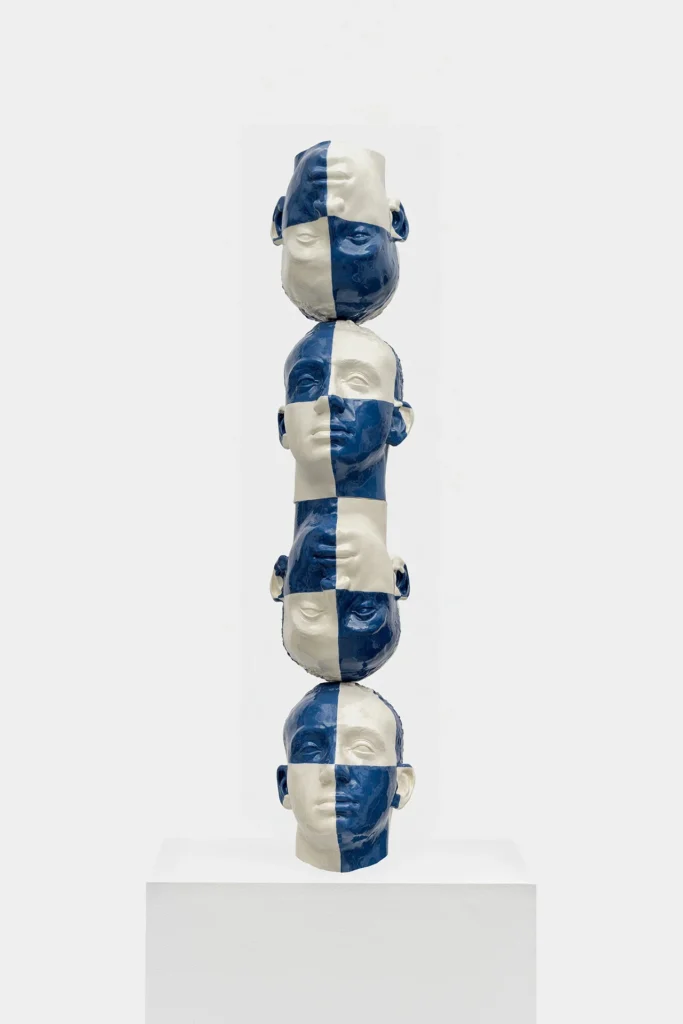
Stanley Wany’s multidisciplinary practice delves into colonial and popular archives to trace the histories of Afro-descendant communities. Using materials such as coffee, molasses and indigo, he explores how myth and cultural narratives are constantly remade. The process is dynamic as ever-changing; inextricably linked with the world beyond Africa.
Nigerian artist Samuel Nnorom works with discarded textiles, second-hand clothing, and upholstery to create sculptural “bubbles” that evoke human connection. His large-scale installations, sometimes incorporating fishing nets or mosquito nets, confront the realities of migration. They are deeply poetic and the use of everyday materials speaks to the collective experience.
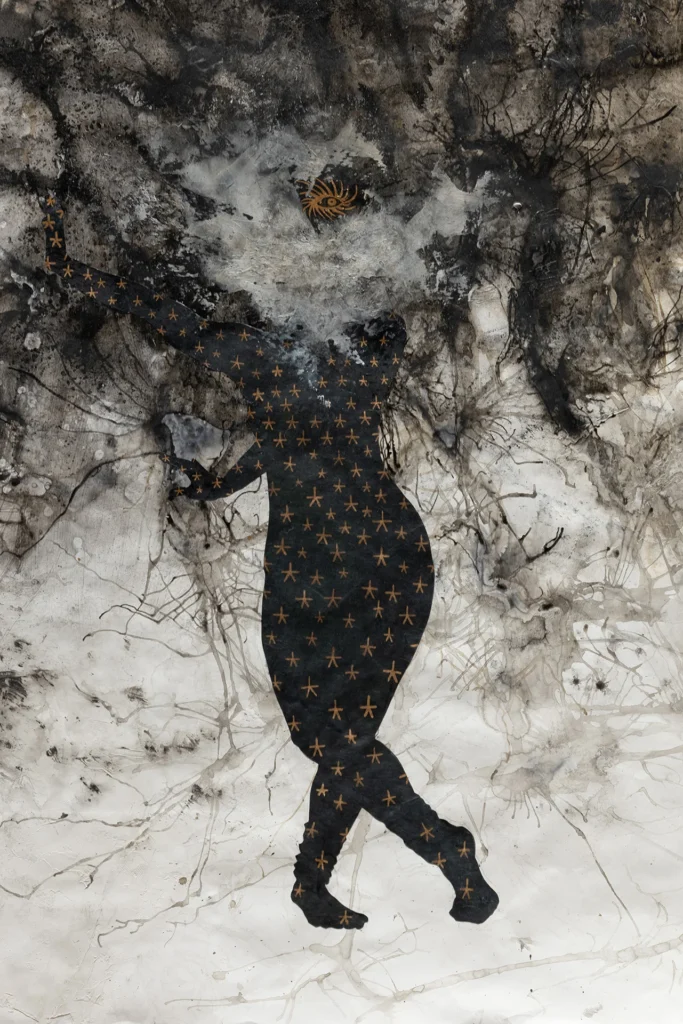
More than any collective noun on earth, Africa, particularly when talking about art, seems to carry the most weight. Africa has gifted us this primal expression of rhythm; a transmutation of the heart’s beat to something language would only restrict. It forms the basis for our music and rings loudly in the visual arts – and then reverberates and evolves through broader contribution. 1-54 presents these works in a way that allows it to be vast, local, global and transient. A diaspora, yes, but one that embraces interconnectivity between all of human culture, making borders, along with the notion of diaspora, ultimately fall away.