The genius of beer marketing is that the idea of a beer almost always outshines its reality.
Now don’t get me wrong, beer is amazing. It’s just the thought of beer, the way it’s poured and presented, is unfeasibly tantalising. But actualising any high vision requires a reconciliation with the humdrum of real life. It might be slightly warm or gone flat. Perhaps it has retained the taste of the metal it came in, or just tastes like a loaf of vaguely alcoholic bread. At any rate, the imagined flooding of a thirst beyond water is never quite up to slake.
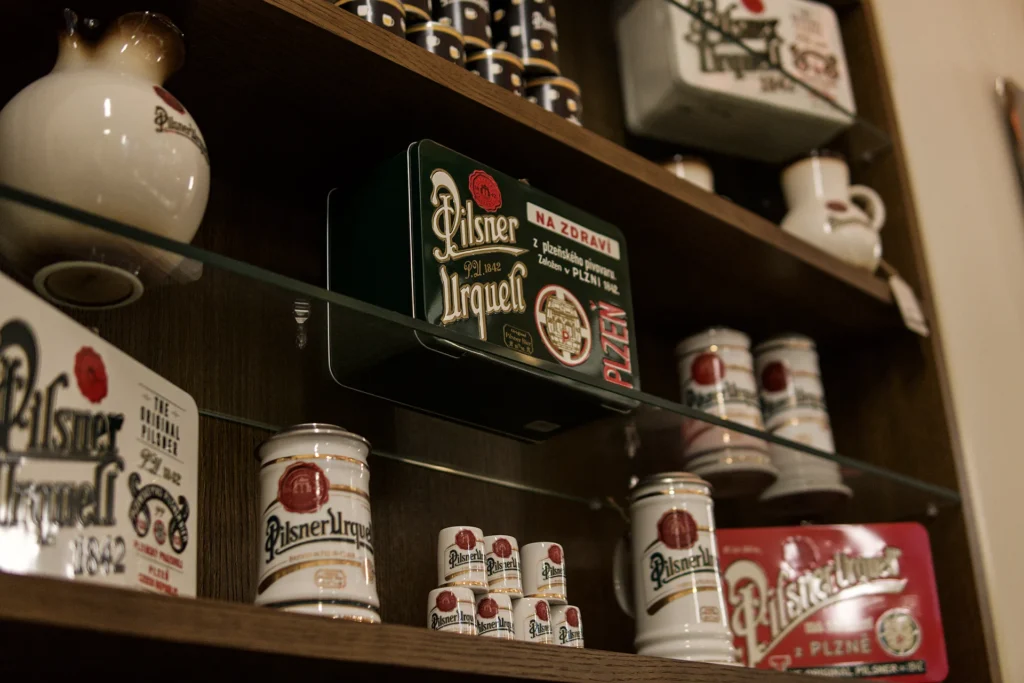
Pilsner Urquell doesn’t allow for any of this disappointment. I’m going to lead by telling you that I had one of the best glasses of anything I’ve ever had during my Original Beer Experience at Urquell’s Prague HQ. Prague itself is a city where, even in the warmer months, the air quenches. Its architecture describes a collision of eras: Gothic spires, Baroque domes, Renaissance façades, Art Nouveau flourishes and the geometric exuberance of Czech Art Deco. I opted to take a Lime bike across the city to the Pilsner experience, but not before recreating a Depeche Mode press shot beside the Pietà sculpture. The cobbled roads imbued the bike with the handling of a feral mustang, and I arrived suitably shaken up.
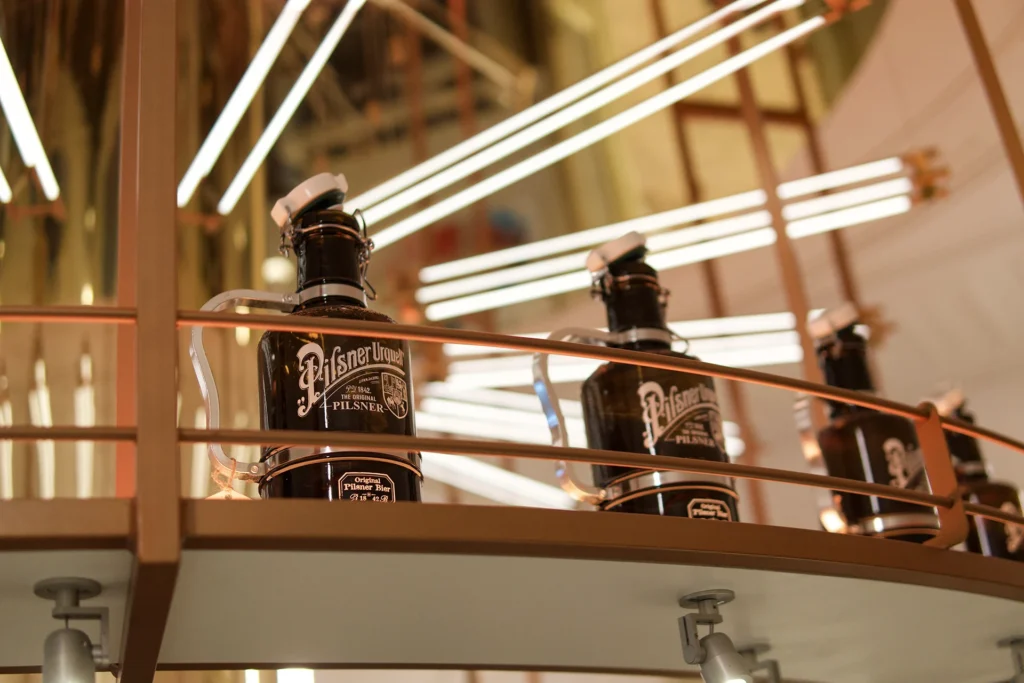
The Original Beer Experience unfolds in a protected Art Nouveau building at the foot of Wenceslas Square, tracing the history of the lager first brewed in 1842 through immersive audiovisual installations before arriving at the all-important beer hall.
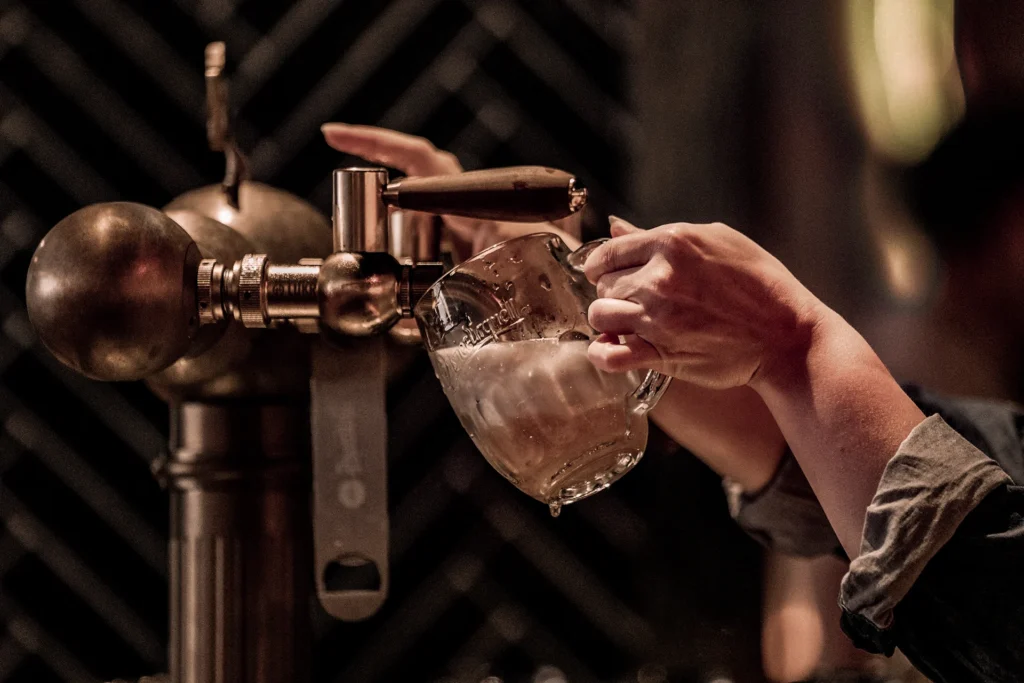
In Prague, where the beer is so cold, so delicious, all forms have their place. Before my beer-nitiation at Pilsner Urquell, my idea of beer was one-dimensional. A pint was a pint and was often missing something. The tour, culminating in a course in tap mastery, allowed me to fulfil that missing element myself.
The most culturally disorientating part was learning the three Czech pouring styles. As an Englishman, froth is to be tolerated in slithers. It should be kept to a minimum, and any hint of over-intrusion is met with ridicule at best, enraged demands for a re-pour at worst.
Allow me to introduce you to my new friends: Mlíko, Šnyt and Hladinka.
Mlíko is almost entirely foam, a creamy, milk-like pour intended to be enjoyed fresh. Šnyt is a smaller beer with a generous head, while Hladinka is the classic balance of beer and foam. Each has its own texture and character. The quality of the pilsner makes the difference: the foam is creamy and dense, while the beer beneath it is crisp and refreshing.
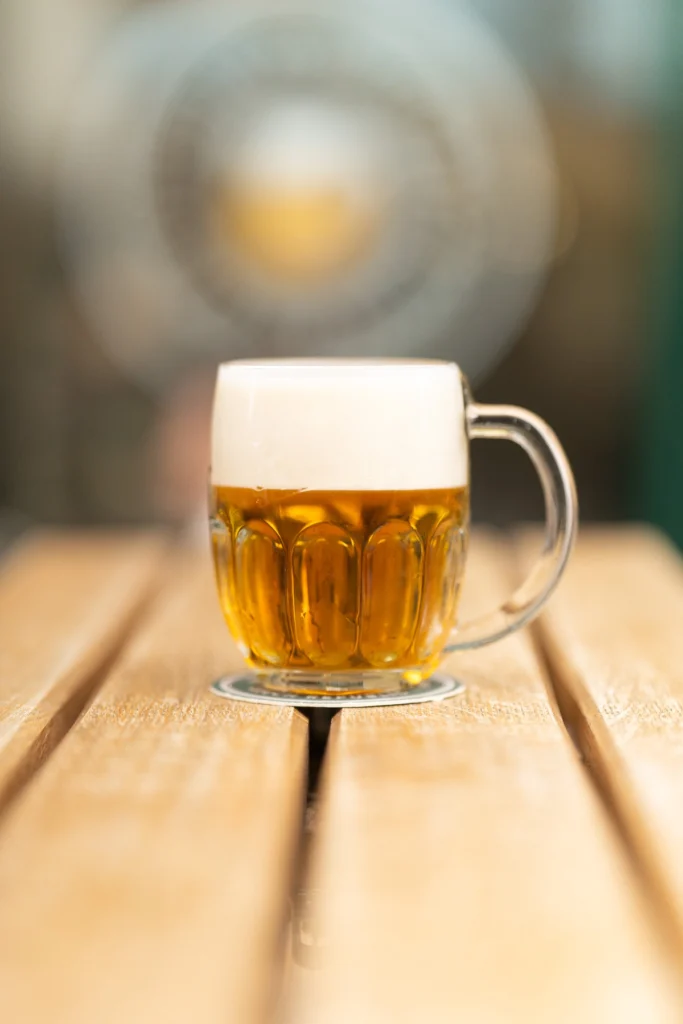
Froth has come to represent the unrealised promises lain dormant in my imagination of beer: the dream sold to us by every gleaming glass in every beer advert. Here, that dream is realised. Too much froth is a delicacy. All froth is a refreshment.
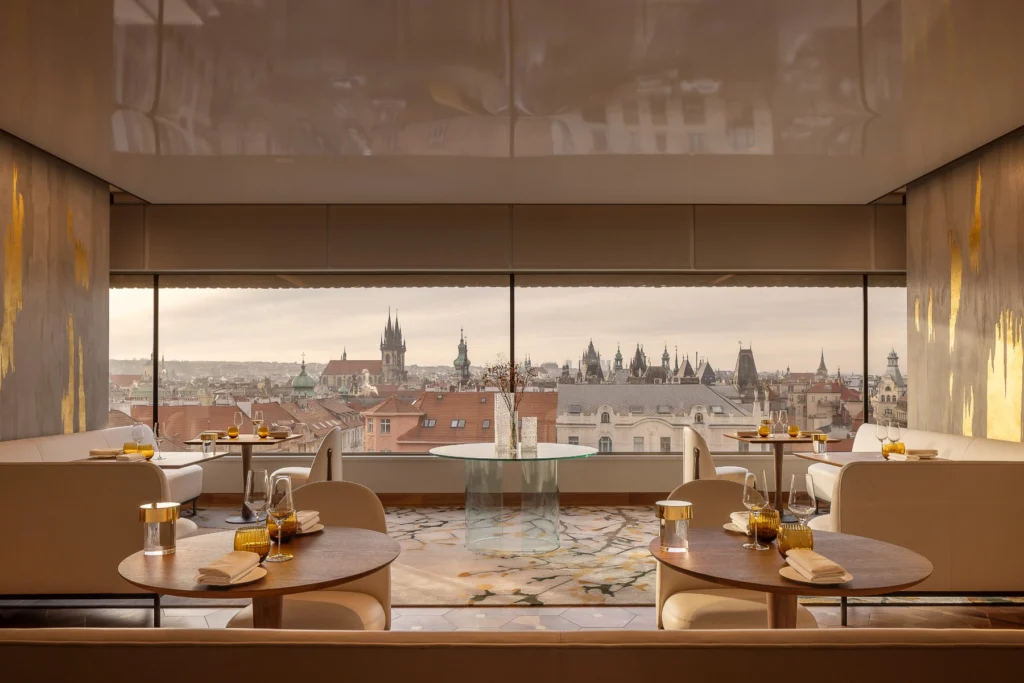
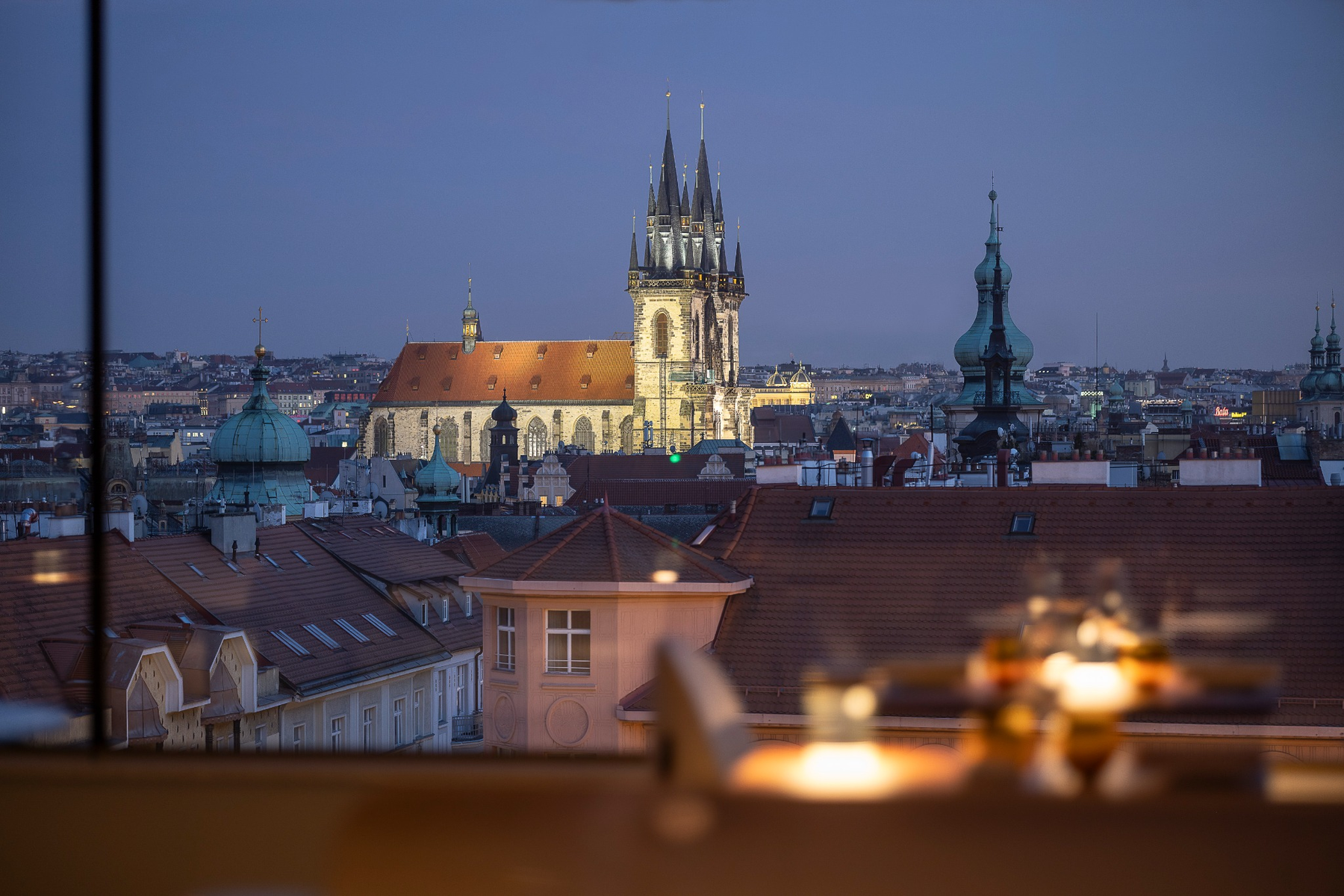
Prague’s uncanny grandeur is the product of centuries of competing ambition. Its Gothic spires owe much to the fourteenth-century reign of Charles IV, when the city became an imperial capital, but Baroque domes, Renaissance façades and Art Nouveau flourishes have since added their own signatures. There is an ancient artistry here that continually invigorates: a kind of class old enough to be understated, but light enough to remain immensely playful.
This sensibility finds a contemporary expression at the Fairmont Golden Prague, where I stayed. The hotel occupies a Brutalist landmark originally designed by Karel Filsak in 1974, its concrete architecture now reimagined as a showcase for Czech design. A guided tour reveals a veritable gallery, with sculptural installations, glasswork and lighting spread throughout the public spaces.
GALLERY: FAIRMONT GOLDEN PRAGUE
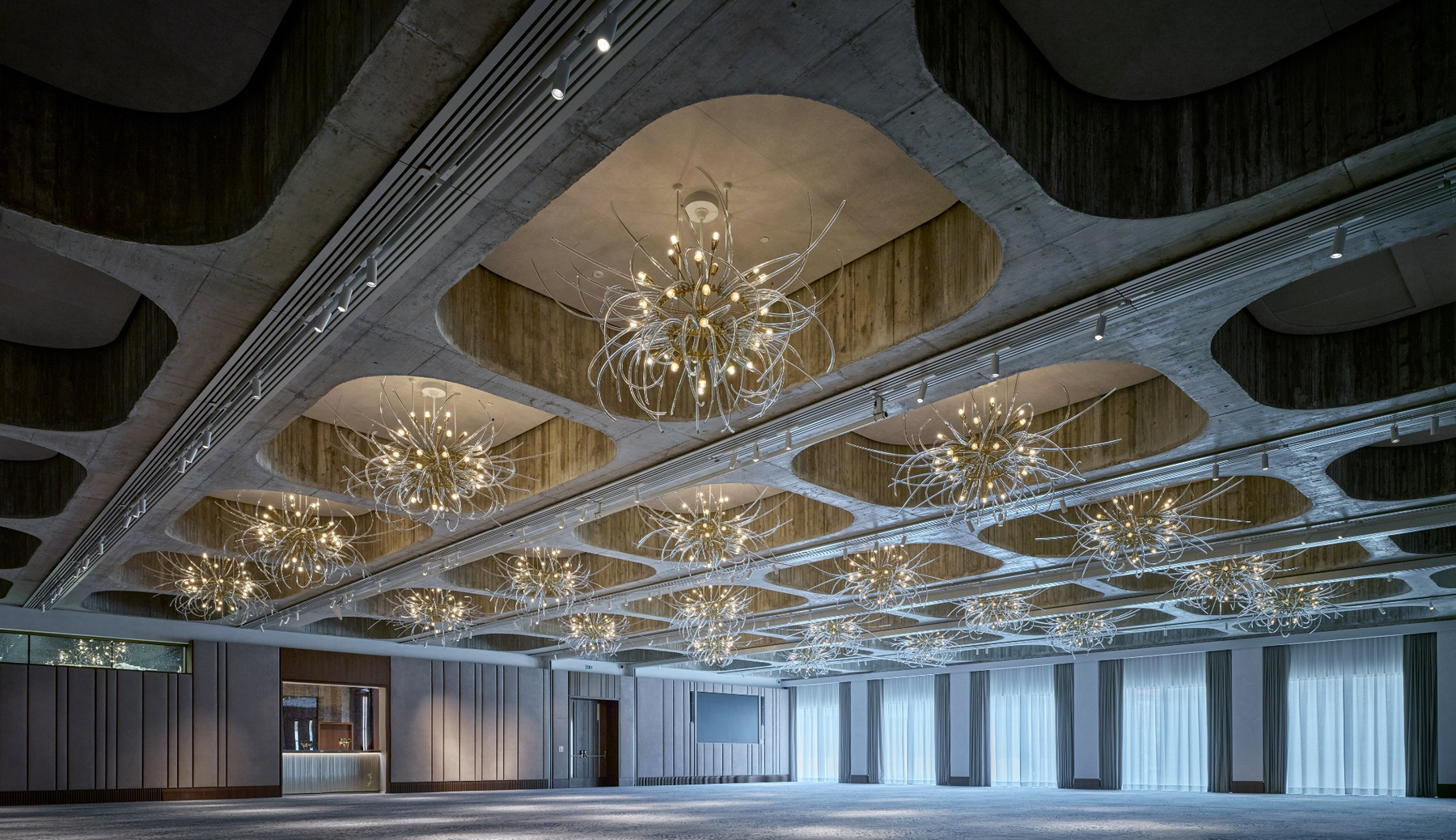
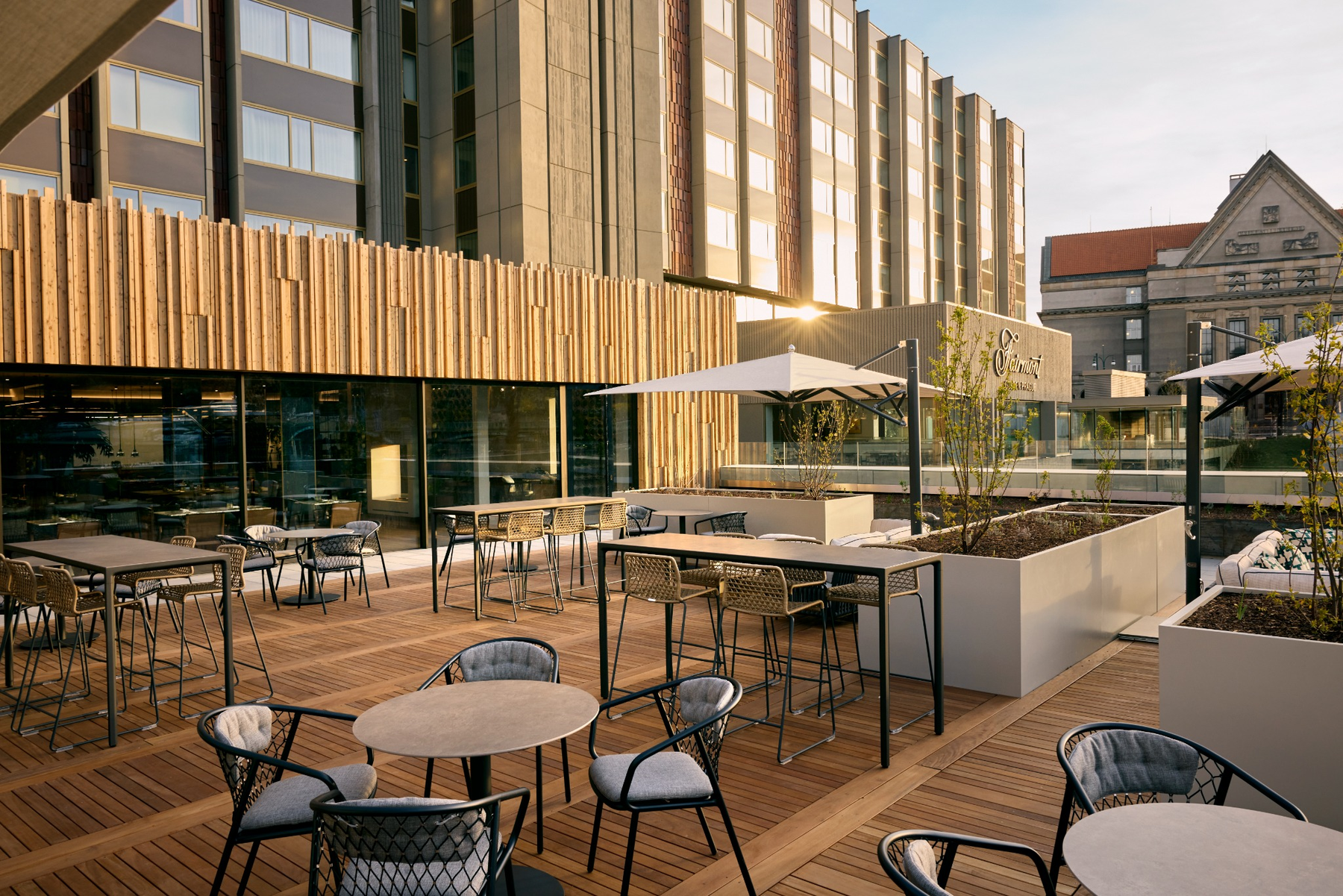
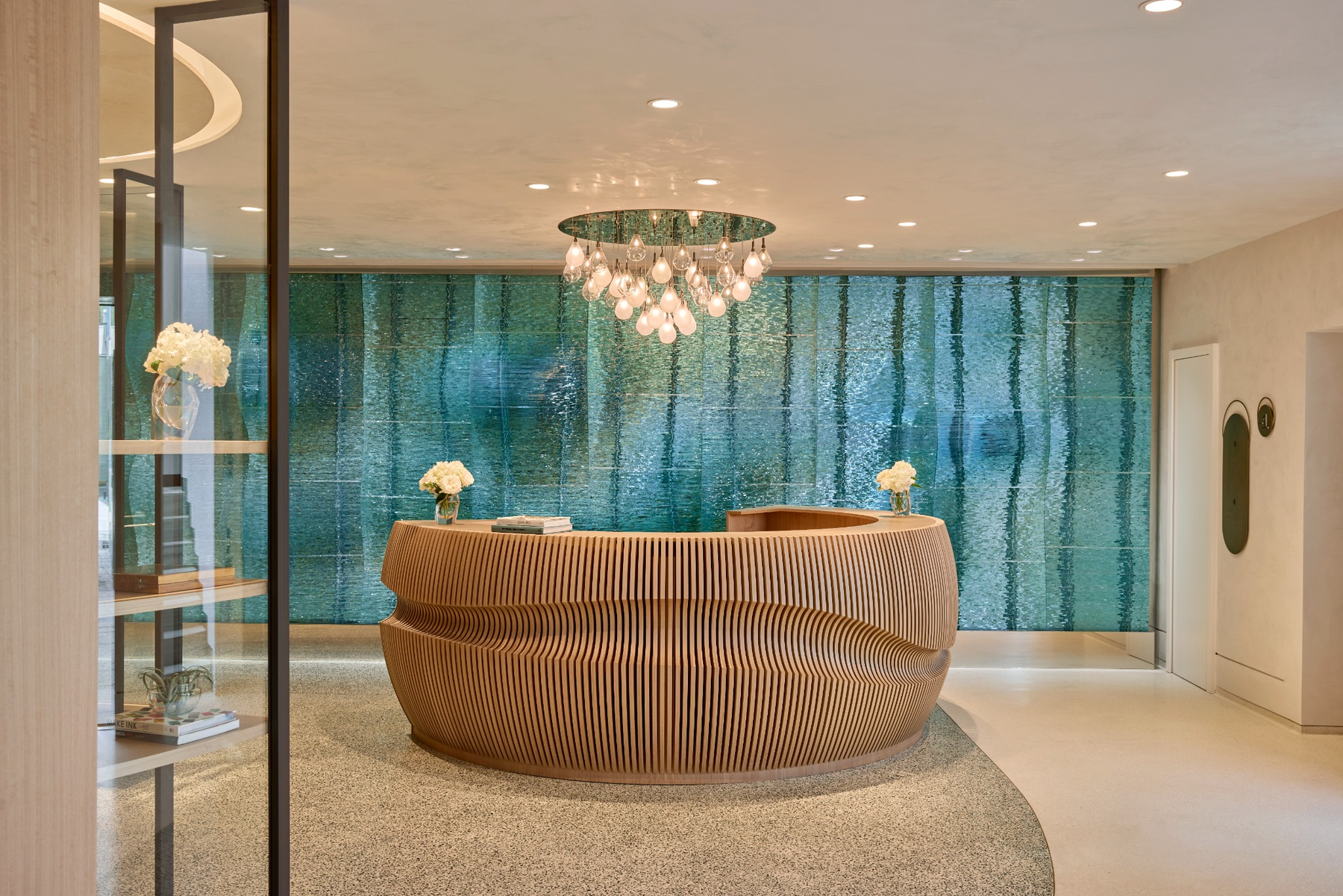
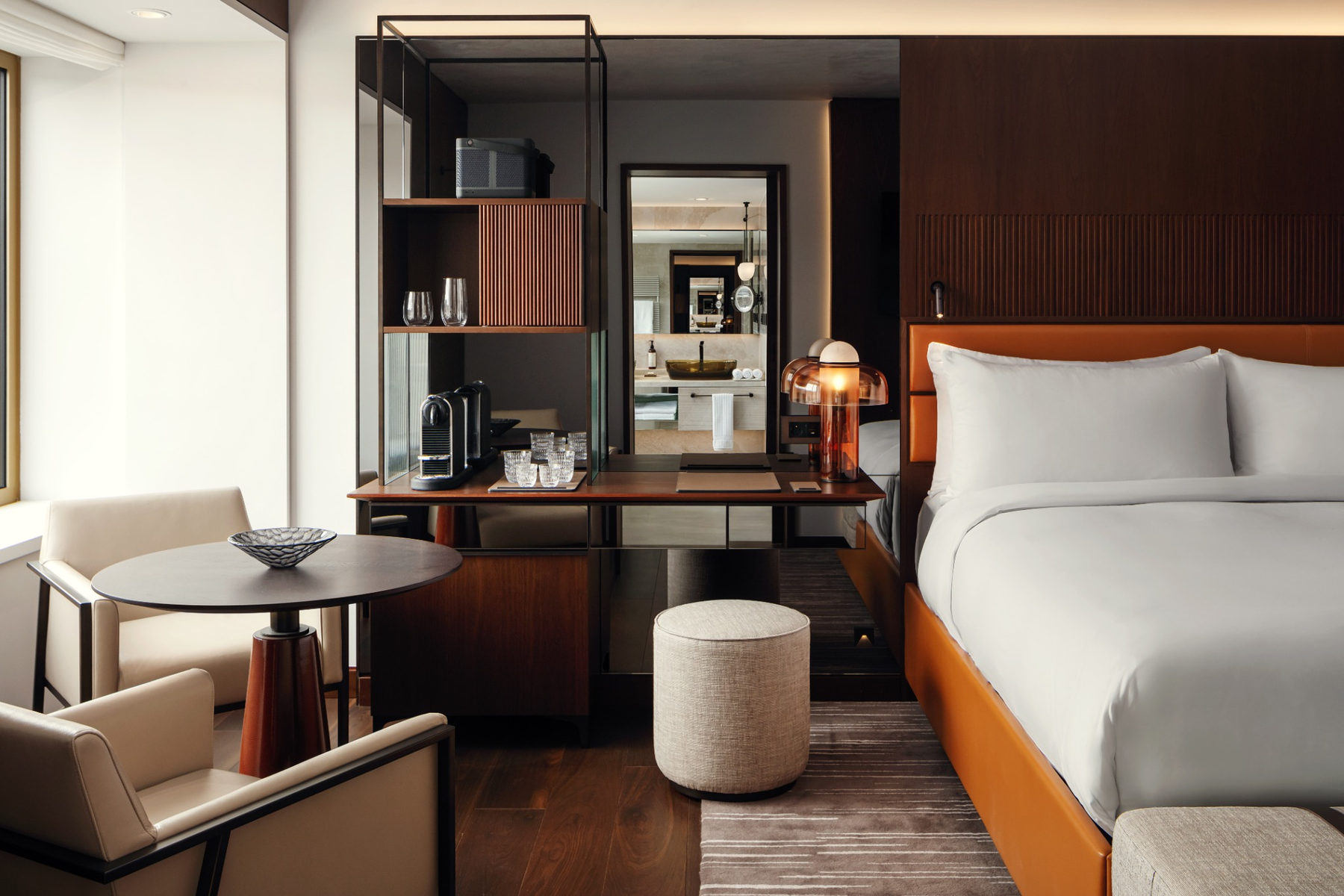
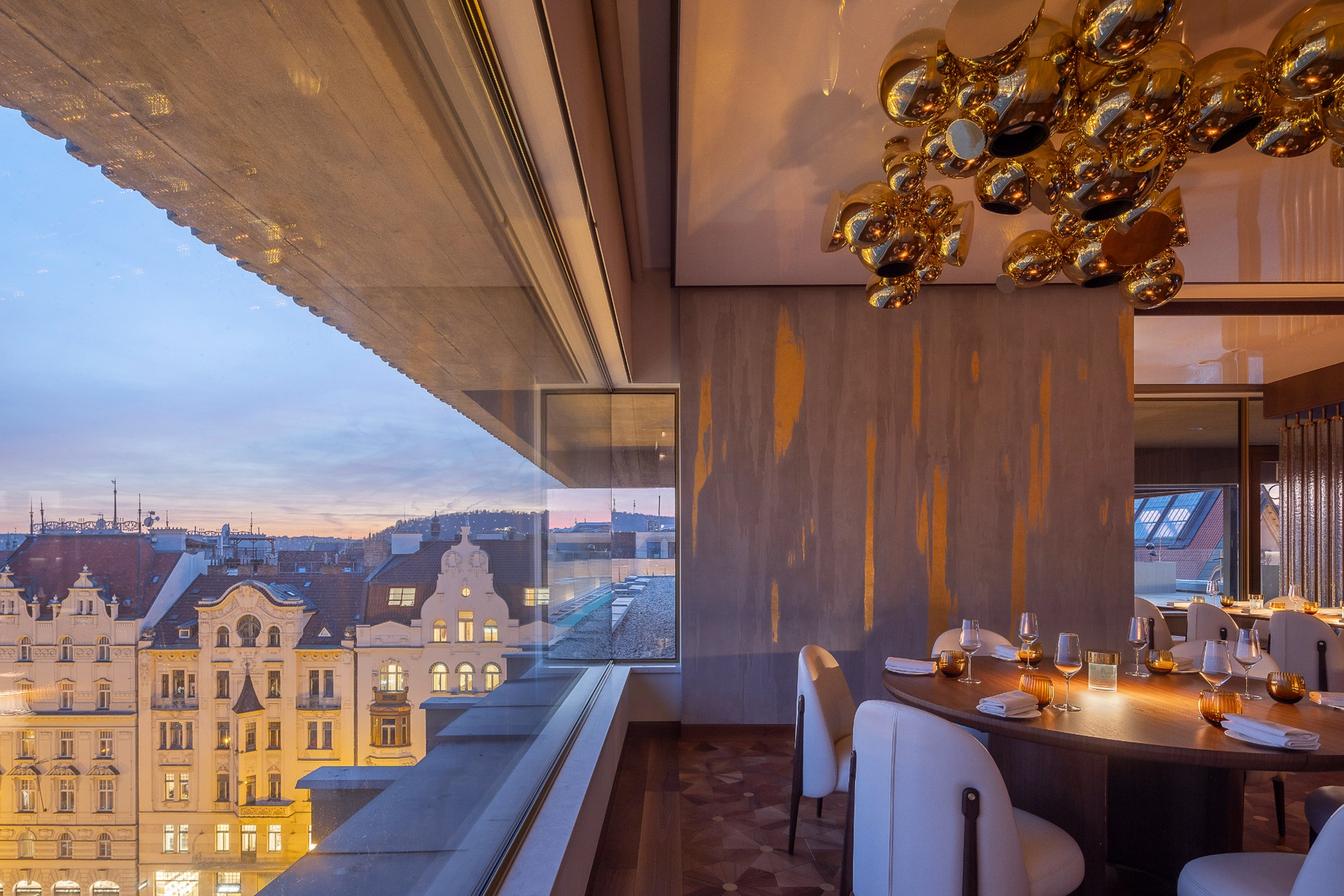
The architect, we were told, was so invested the building’s aesthetic that he insisted on having the final say over the placement of a recent award, extending his involvement long after the work was done. It speaks to an almost obsessive commitment to a vision he sees as alive and ever-changing.
The lobby bar, Coocoo’s Nest, takes its inspiration from Miloš Forman’s One Flew Over the Cuckoo’s Nest. A mesh of metal forms the nest-like bar; a chandelier of pills hangs overhead. It is a little surreal, a little theatrical, and a welcome antidote to the idea that luxury must always be solemn.
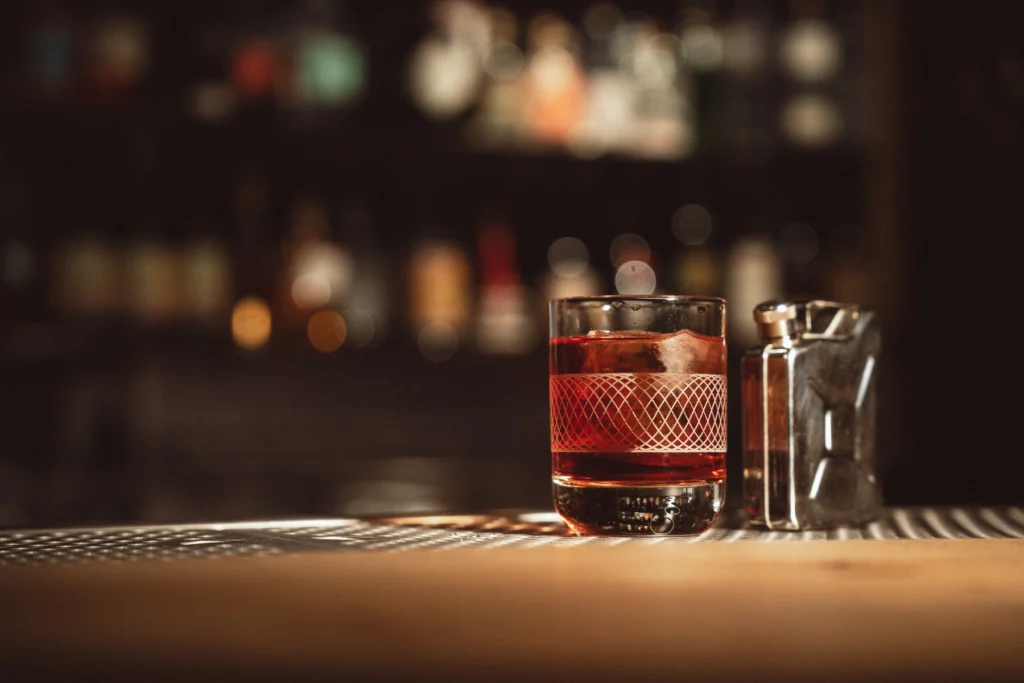
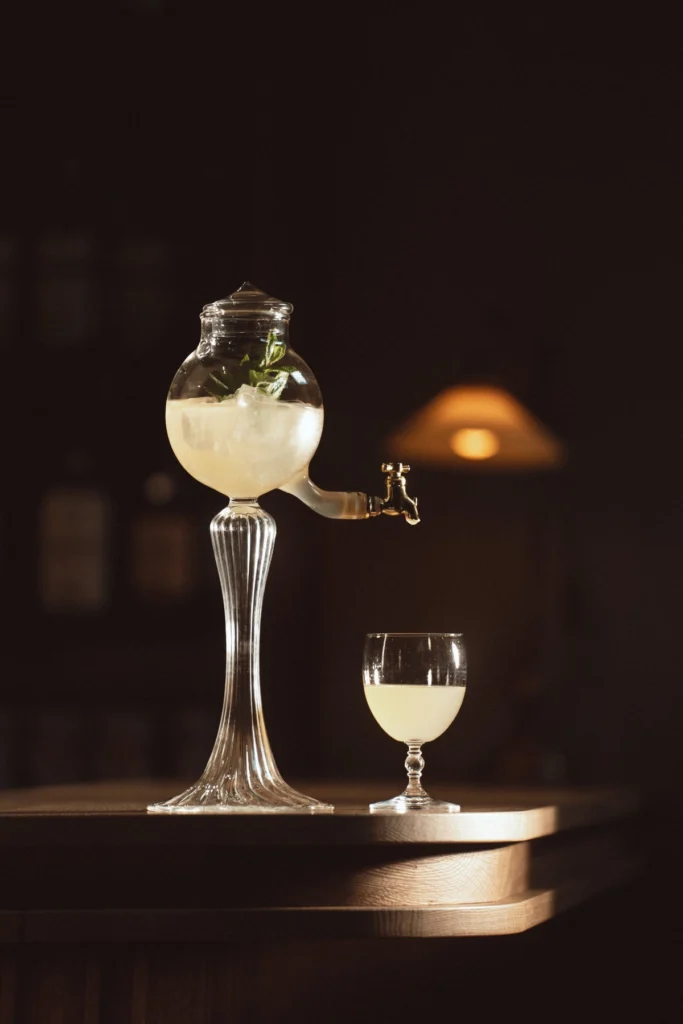
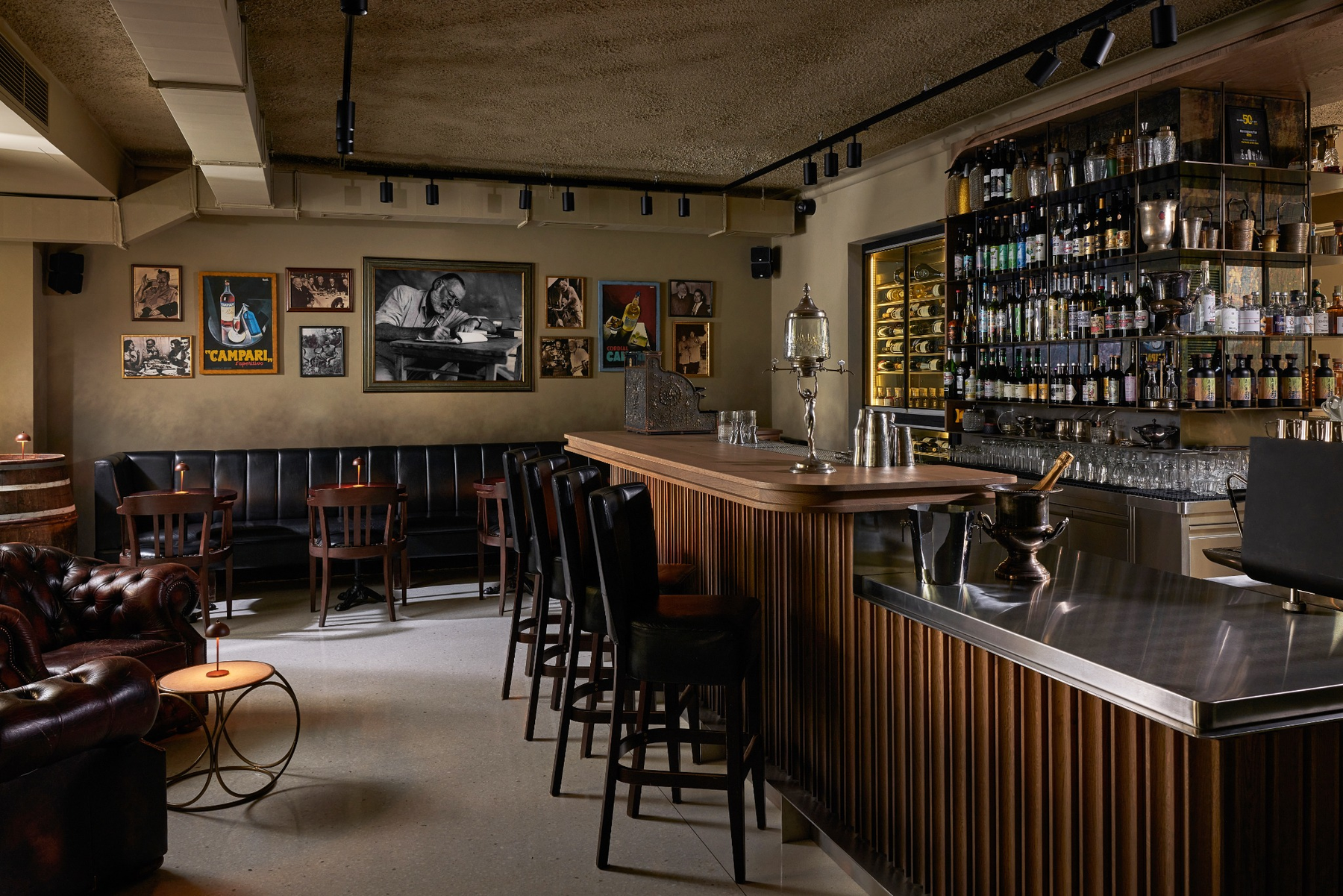
For a different sort of theatre, there is Hemingway Bar a short walk away in Nové Město. Here, the famously brusque American writer’s affection for absinthe, rum and champagne informs an elaborate approach to mixology. Among its extensive selection of absinthes, the bar offers a reminder that this much-mythologised spirit deserves more than its reputation for illicit excess. It is treated as an ingredient with its own history and ritual.
My cocktail paid tribute to Hemingway’s love of bullfighting. It arrived with a tiny sword, which I used to pierce an amaretto cherry. Its juice bled into the drink, gradually reddening it. Much like my experience with Pilsner Urquell, the promise made by the spectacle was very much fulfilled. It was delicious, all of it was. And my involvement in the process gave made the eventual sip all the sweeter.