London’s gallery scene is the envy of the world and deservedly so.
From the stately grandeur of the National Gallery to the riverside brutalism of the two Tates, you won’t be hard pushed to find a gigantic building in which to peruse legendary art. But this spring, why not forgo the usual suspects and explore the lesser known spaces? Across the city, a new wave of smaller, more characterful galleries are championing emerging artists and experimental curation. These niche spaces, tucked inside historic buildings, hiding down cobbled streets, offer a refreshing alternative to blockbuster exhibitions. They’re ideal for a slower, more personal way of engaging with art; places you’re far more likely to unearth something surprising. And isn’t that what art is all about?
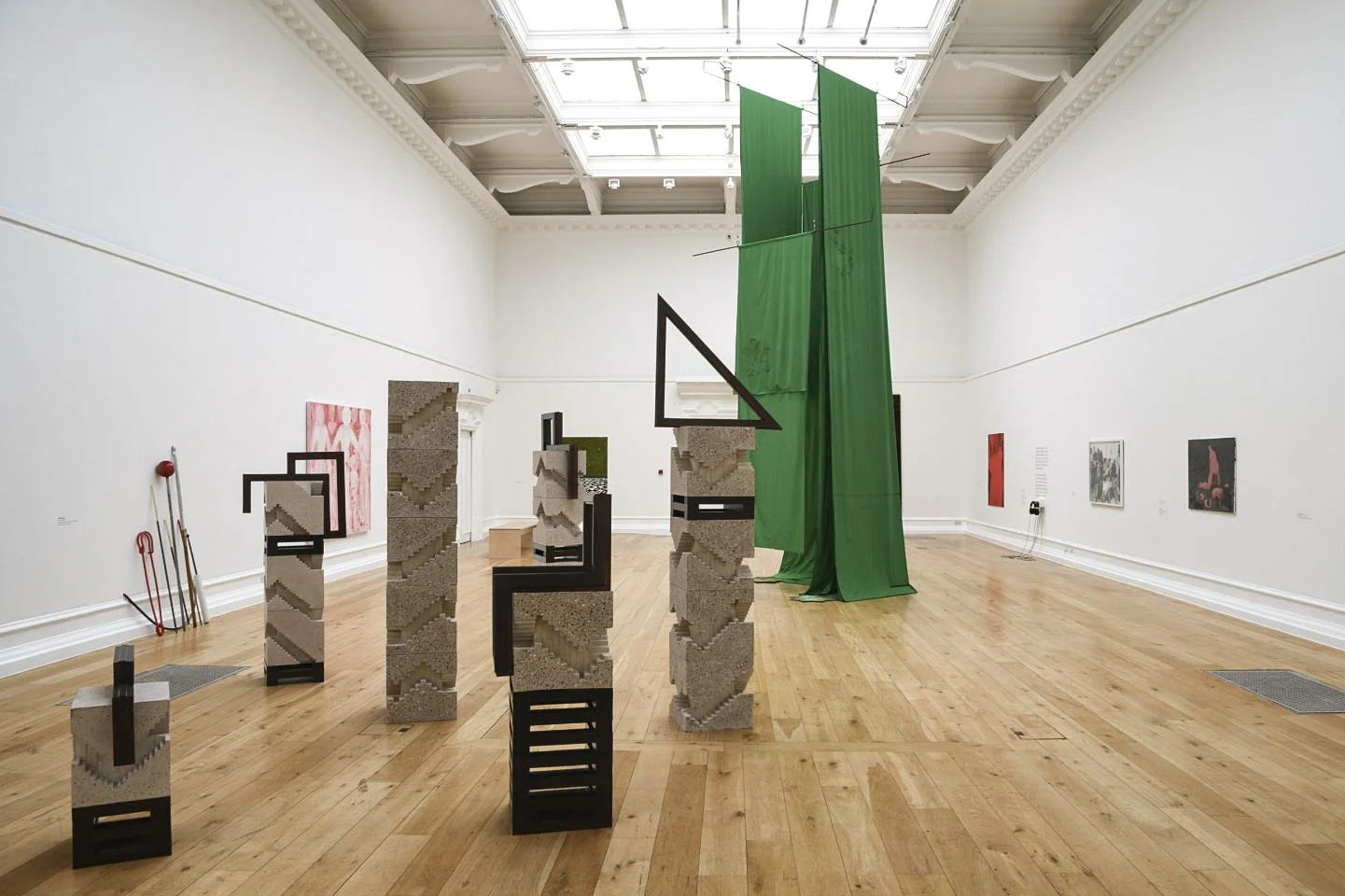
South London Gallery
A long-standing but often overlooked gem in Peckham, this gallery balances institutional credibility with a grassroots spirit. Its programme leans toward socially engaged and politically conscious work, spotlighting artists who rile against convention.
Recent highlights include artists like Lawrence Abu Hamdan, whose work blends soundscapes, politics and investigative research; and Oscar Murillo, known for large-scale, process-driven paintings and installations that explore globalisation. Expect multimedia installations, film, and participatory works that blur the line between art and activism.
Community
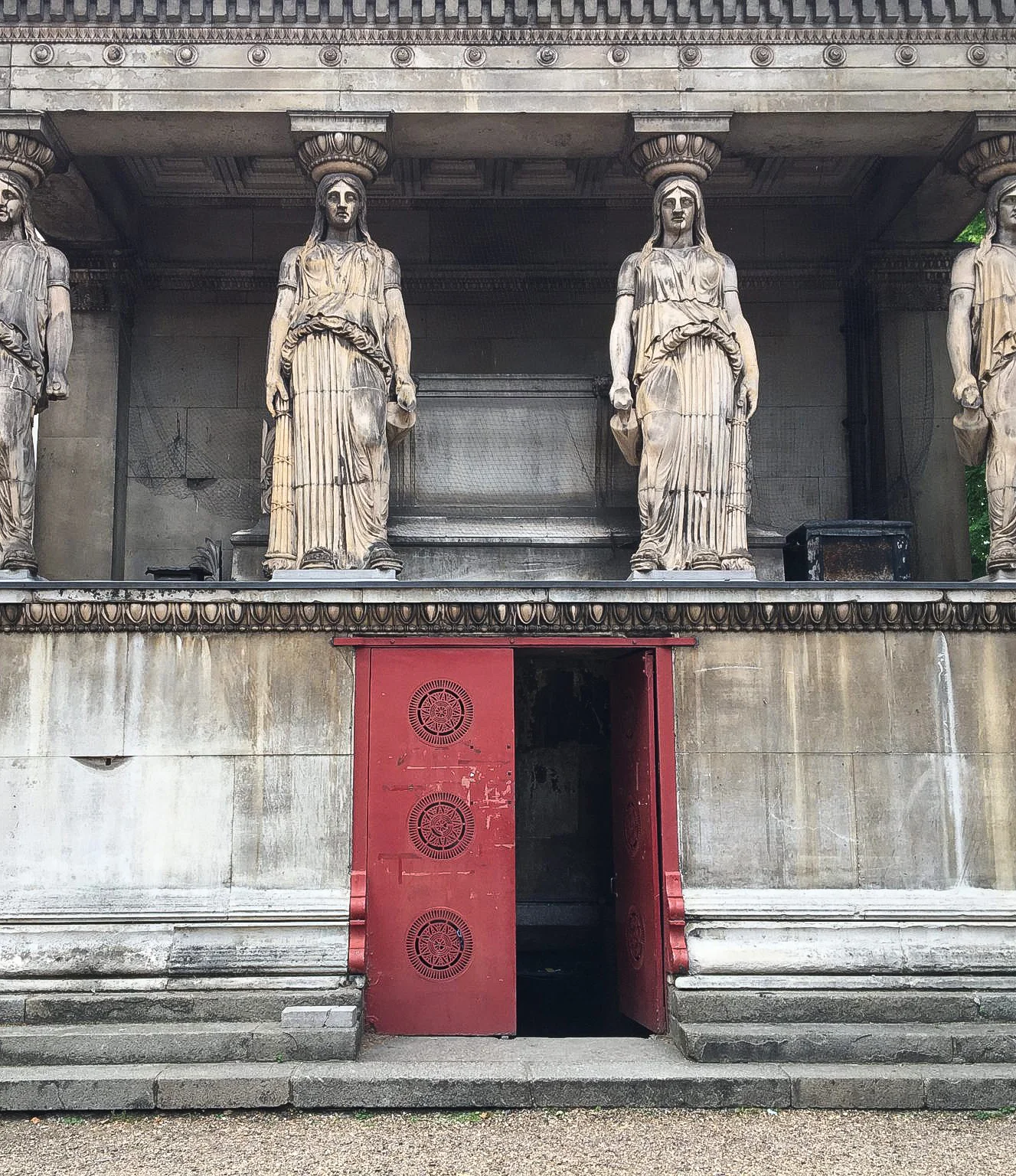
The Crypt Gallery
Set beneath St Pancras Church, this moody underground venue (it’s a literal crypt) is one of London’s most distinctive exhibition spaces. Vaulted ceilings, exposed brickwork and low lighting create a cinematic backdrop that informs the exhibits themselves.
Exhibitions here often feature emerging artists working in immersive installation. Think sculptural light works, experimental photography and sound art. Past shows have included site-specific installations that play with shadow and acoustics, alongside painters experimenting with dark, gothic aesthetics and surreal, dreamlike imagery.
Atmospheric
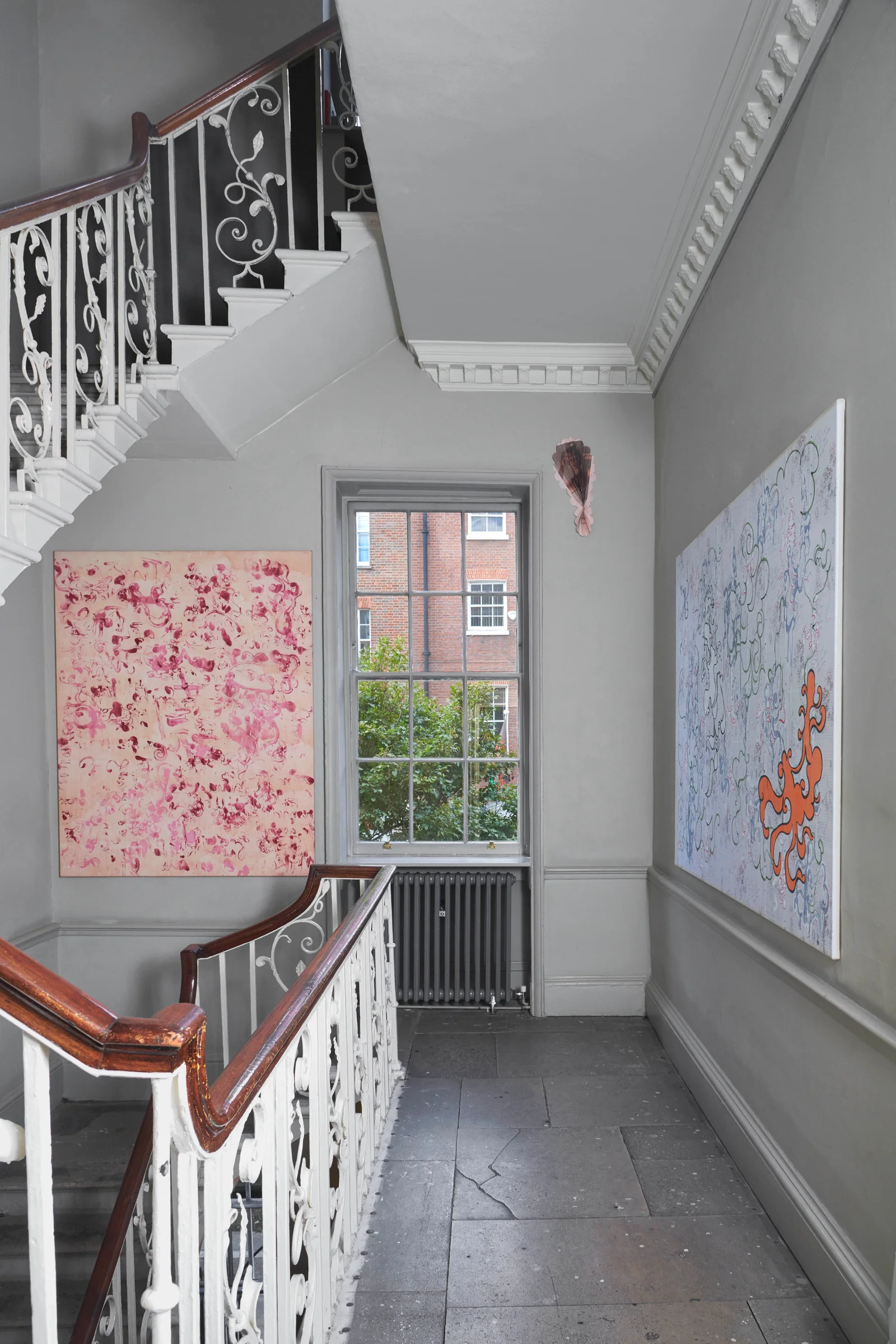
DomoBaal Gallery
Housed in a Georgian townhouse in Bloomsbury, Domobaal feels more like stepping into a quirky open-house than a traditional gallery. Each room offers a different encounter, with a tightly curated variety of environments. Domobaal has championed artists like Holly Stevenson, whose work toes the line between playful and sinister in a mishmash of surreal figuration. Also featured is Gordon Cheung, known for combining traditional painting with financial data and digital decay motifs.
Contemporary
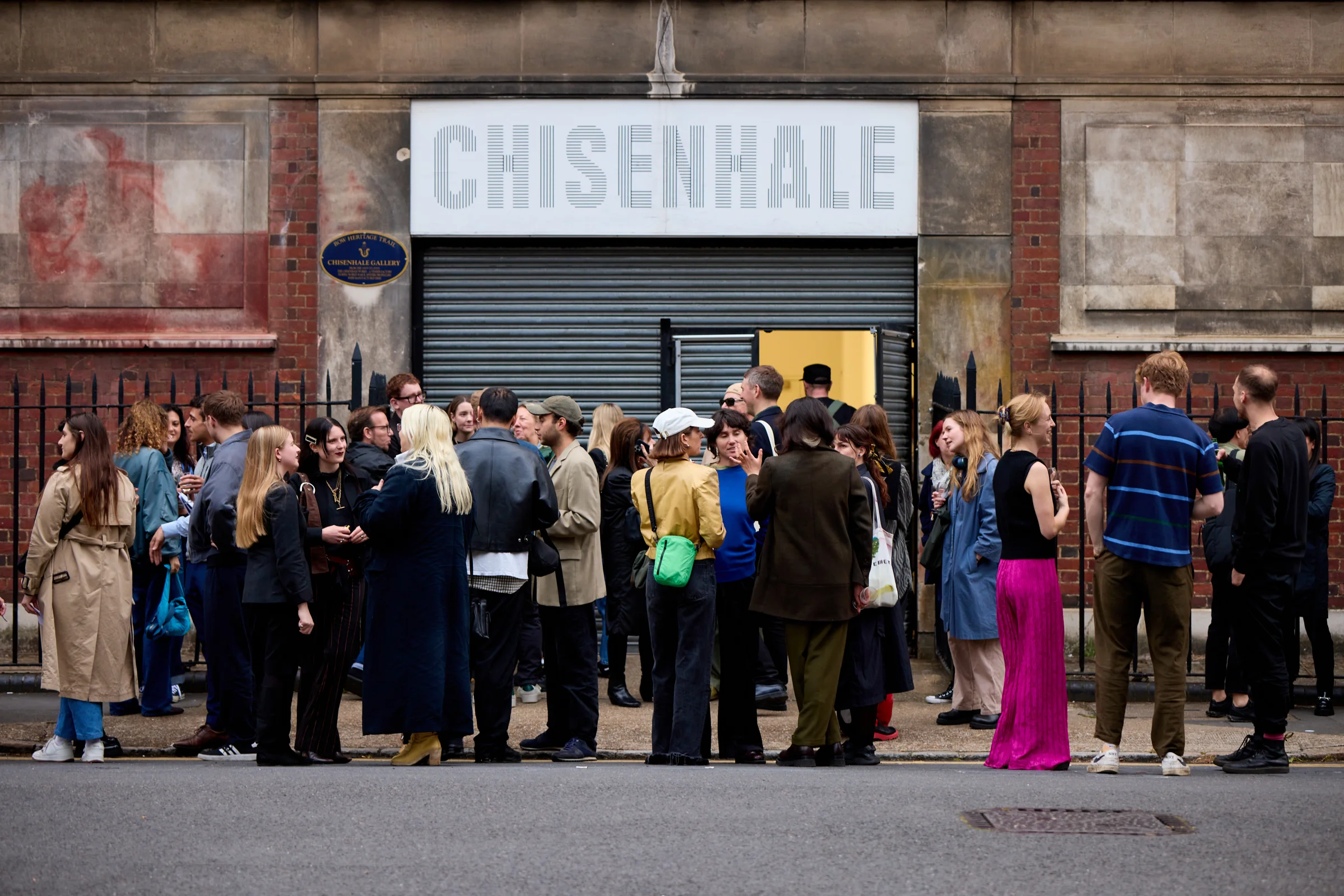
Chisenhale Gallery
Set in a former veneer factory in East London, Chisenhale Gallery is one of London’s most quietly influential contemporary spaces. More than simply exhibiting pre-existing art, it commissions entirely new works, giving artists the freedom (and scale) to realise ambitious, career-defining projects.
The space is abuzz with new-blood energy and has a track record for spotting talent early. Artists like Wolfgang Tillmans, Rachel Whiteread and Lynette Yiadom-Boakye have all exhibited here before gaining major international recognition.
Experimental
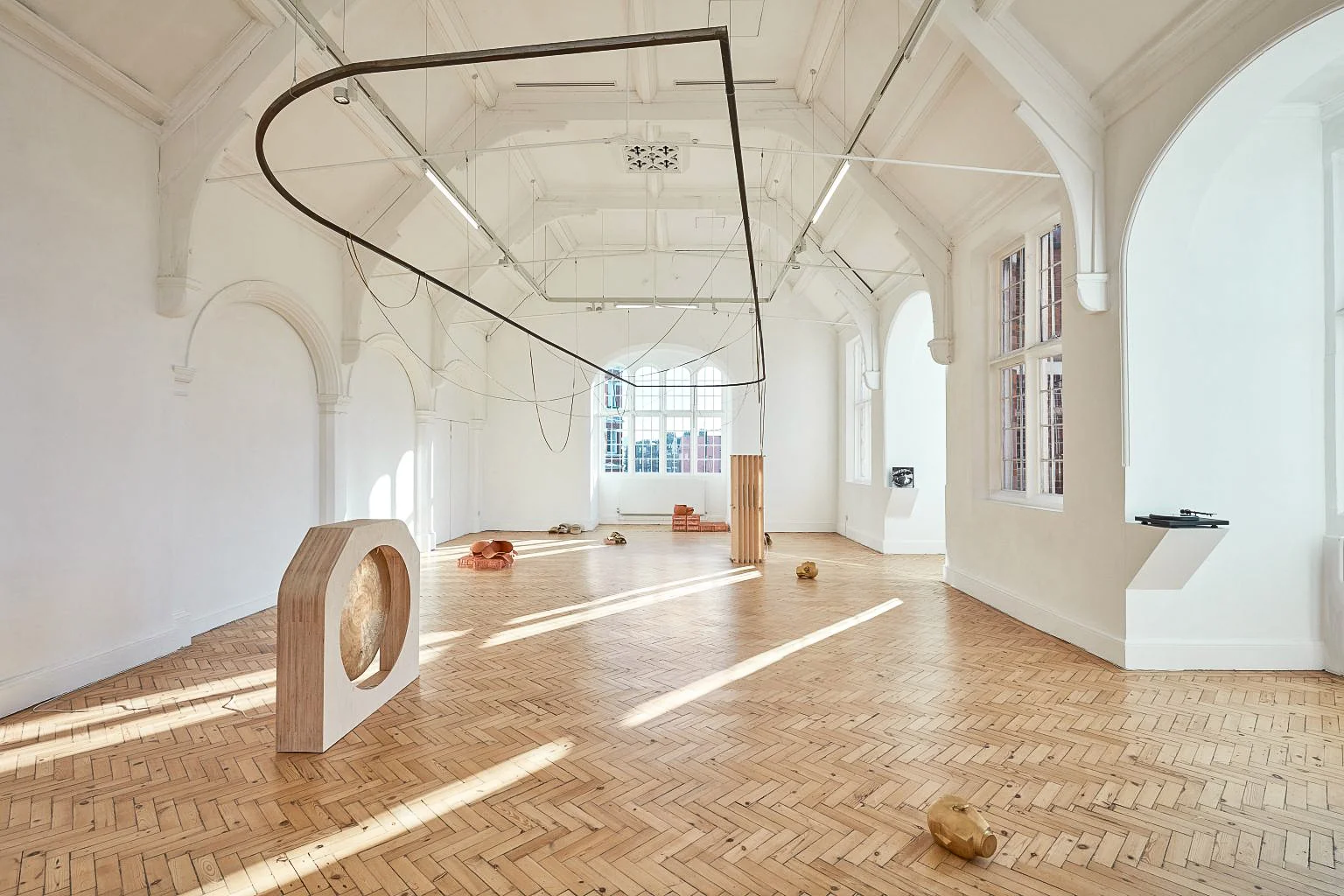
Camden Art Centre
Tucked away in a former library, Camden Art Centre offers a more serene and reflective atmosphere. There is a residual energy here that informs both the works and audience experience. It is a place of quiet study and discovery and Its exhibitions give artists space to develop ambitious, research-led projects.
Recent programmes have included artists like Lubaina Himid, associated with the Black Arts Movement and known for narrative-rich paintings, and Hannah Black, whose work spans video, text and performance with a sharp theoretical edge. Expect thoughtful, process-driven exhibitions that demand more than just a cursory skim.
Reflective
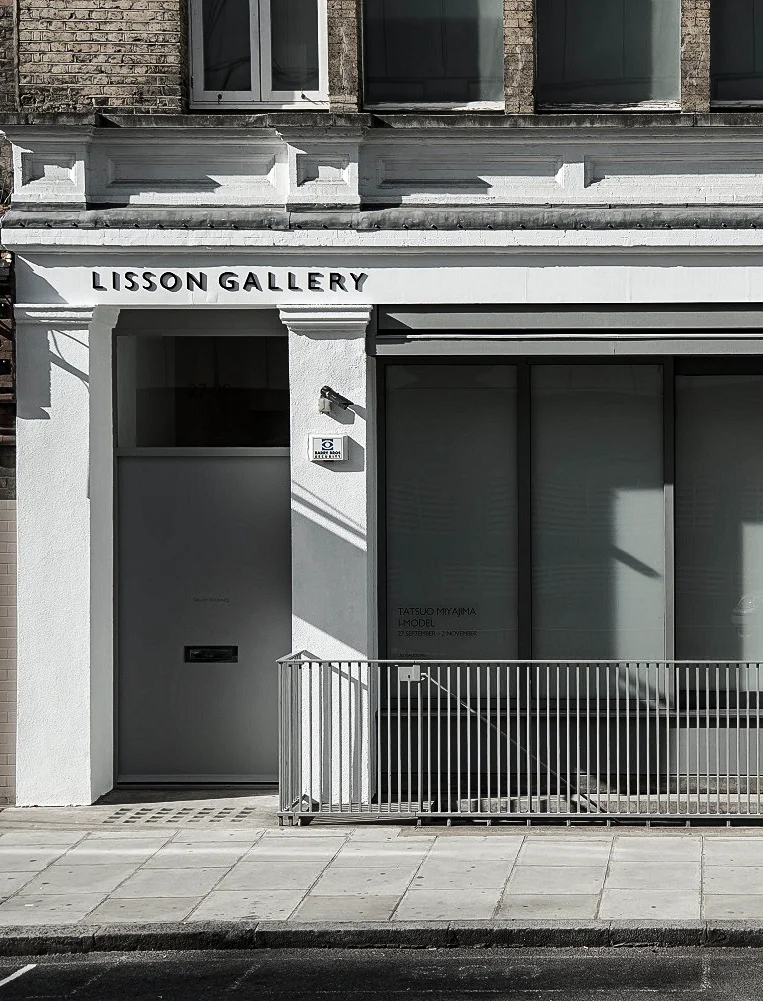
Lisson Gallery
While internationally renowned, Lisson still feels like an insider’s pick compared to London’s larger institutions. It has played a pivotal role in shaping contemporary art history and is one of the longest-running galleries of its kind in Europe.
The roster includes major figures such as Anish Kapoor, known for monumental, reflective sculptures, and Carmen Herrera with her precise geometric abstractions. Exhibitions here often lean toward minimalism, conceptual art, and rigorously formal practices.