Curated in 1964 by Italian Graphic designer Francesco Saroglia The Woolmark Company’s affiliation with the fashion sector has been a fruitful journey.
Initially set up to place emphasis on wool’s natural quality the early struggles of the company came about as man-made fibres were on the rise. After tackling this onslaught the company became a beacon for the luxury material and synonymous for wool endeavor via its non-profit organisation, The Australian Wool innovation.
I sit down with Stuart McCullough, the chief executive of Woolmark and The Australian Wool Innovation, not only to hear his thoughts on wool in today’s marketplace, but to also understand The Woolmark Company’s philosophy in ensuring wool is the fabric of the future.
AE: What would you say is the difference in business strategy from the Woolmark Company in 1964 compared to 2015?
SMC: Apparel retailing has changed so significantly in that period it’s difficult to compare these. The constant of course is everyone still wants to “sell more”. Our marketing strategies today have a large digital component that was certainly not part of 60’s marketing.
SMC: This has more recently become increasingly important through the advent of mobility devices and social media. We should from time-to-time study the past to see what has and has not worked as often you’ll find nuggets of good ides worthy of revisiting.
AE: In terms of awareness, has the fashion sector’s renewed emphasis on the quality of fabric allowed the Woolmark Company to gain more exposure?
SMC: I think that’s right but some tough economic years have also seen the consumer become a little more savvy with their disposable income and look for quality apparel that will last longer and is a little more timeless, this has also helped our fibre.
As a fibre wool has the complexity that can only be compared to innovative sporting materials. It offers protection, durability and breathability without the compromise of quality and has an added benefit of being ecological. A must in today’s demanding marketplace.
AE: How important is the affiliation of The Woolmark Company with young design talent?
SMC: Critical. We must also have continuity of influence over designers each and every year to ensure they are at very least considering wool as their fibre of choice, if not their preferred.
AE: Would you say The International Woolmark Prize is pivotal to the exposure of these brands?
SMC: The IWP provides a showcase for these brands on a world stage. The networking opportunities are immense as they are introduced – and get to present – to some of the most important buyers and media within their regions and across the globe, these are money can’t buy opportunities. The monetary prize is more of an added bonus.





Embracing the young is an organic way to stay relevant and it is positive to have seen this element grow throughout the years. By combining resources entrants are asked to curate ensembles that demonstrate the potential of Merino wool. The International Woolmark prize has played a pivotal role in moulding design talent across the world and hosted successes by both Karl Lagerfield and Yves Saint Laurent in 1954. Included on the panel that day were Hubert de Givenchy and Pierre Balmain. Both of whom left legacys behind and both embraced wool for the intuitive freedom it brought.
AE: What would you say is the purpose the Woolmark Company in today’s climate?
SMC: The Woolmark Prize is pivotal in exposing our brand, the designers’ brands and our fibre. Product won’t sell itself and its our role to ensure that we are giving wool products the best opportunity to compete with garment made from competitive fibres.
AE: What markets do feel has been most receptive in the understanding of the Woolmark company as a brand?
SMC: Our annual consumer research indicates that the Woolmark brand has varying recognition and symbolism depending on the jurisdiction. Our role is to ensure that we address those areas of weakness and look to enhance the strengths.
AE: How do you plan to develop the Woolmark company over the next 5 years?
SMC: We use a number of management tools to grow the Company but predominantly it’s the people that work within the walls of our businesses, here and abroad, that grow the company and will continue to grow the business.
SMC: Because we supply such a large portion of the world’s apparel wool from Australia our real success will be through demand, creation of the fibre and consequently increased prices to our woolgrowers.

The global appeal of The Woolmark Company is shared through this theme of opportunity. We keep returning to the IWP indecently but clearly that in the current financial climate this is even more important than before. Finals are hosted across the world in Asia, Australia, Europe, India and the Middle East and give brands the opportunity to be recognised globally. The winner is given the chance to be stocked in stores such as Saks 5th Avenue, Collette and 10 Corso Como. Stuart signals that this is just the start and the partnership is beneficial to both parties – in short one cannot thrive without the other.
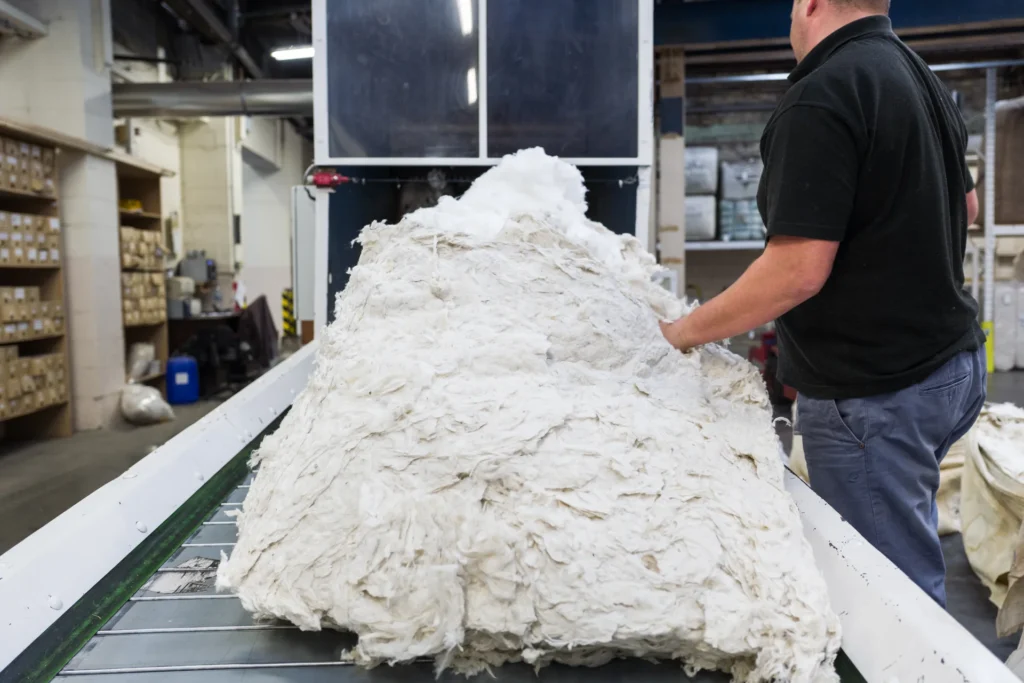
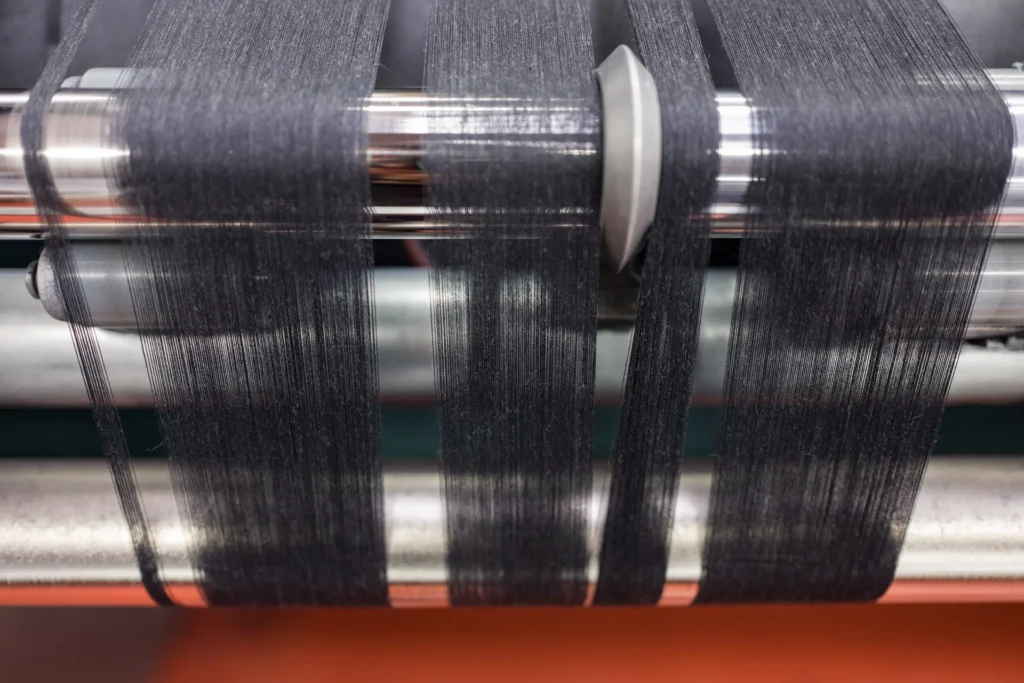
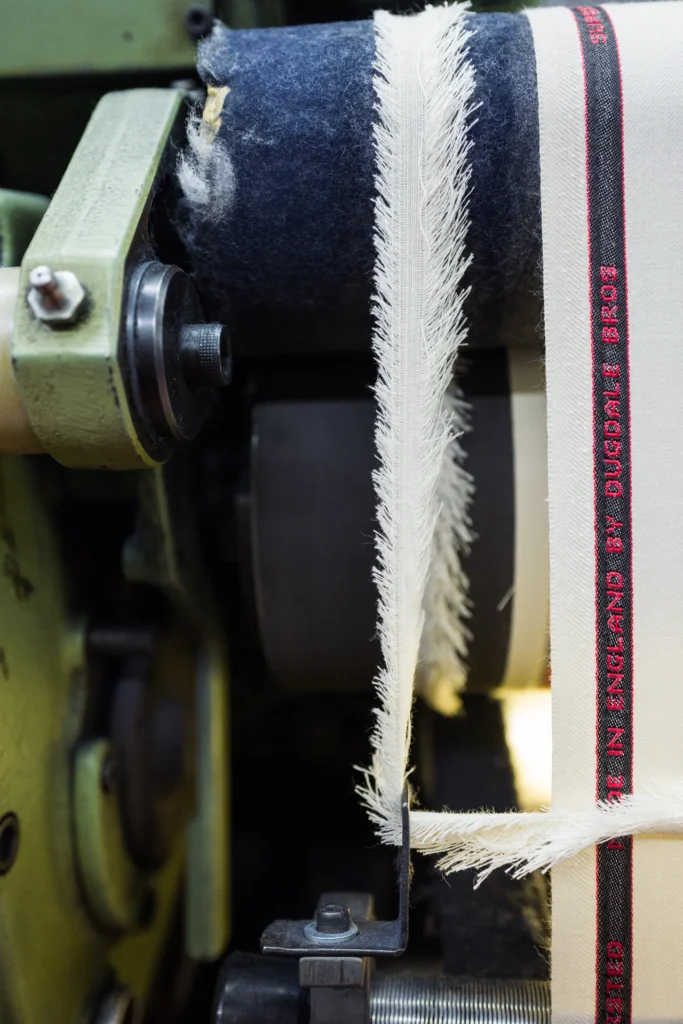
Photographs taken on location at Hainsworth and Alfred Brown. Feature originally published in JOSHUA’s Magazine Issue FIVE